

Why nemawashi (private alignment) shapes Japanese SaaS deals before ringi formalizes approval—and how vendors should support both stages.

Score and sequence Japan SaaS niches: target mid-market wedges with clear demand, minimal localization, and partner channels.

Treat Japan support training as a launch gate: enforce keigo, apology-first complaint flow, clear escalations, and precise SLAs.

Age and seniority shape Japanese buyer meetings: spot seating, silence, and nemawashi; prioritize senior-facing proof for approvals.

Japan enterprise SaaS wins on trust—prioritize native localization, local proof, and clear Japanese support and rollout processes.

Start with LINE, X, and YouTube; localize content, focus on nurture and demos, and measure pipeline impact in Japan.

Practical playbook for using expert creators, YouTube/X/LINE, and local review sites to build trust and drive SaaS adoption in Japan.

Compare CPA, CPL, revenue-share, hybrid and tiered payouts for Japan SaaS and pick the model that fits your sales motion,…

Pick the right Japanese opener for B2B SaaS emails—match greeting to relationship, timing, and message type.

Compare direct, partner, and hybrid SaaS entry in Japan — tradeoffs in trust, cost, time-to-revenue, and best-fit deal types.

Top Japanese localization mistakes for SaaS: literal translation, term and tone mismatch, pricing/format errors, and inconsistent UI copy.

How to win Japanese enterprise SaaS deals: prioritize risk reduction, support nemawashi/ringi, provide Japanese materials and local presence.

How to adapt SaaS pages for Japan: denser content, visible trust marks, local imagery, flexible typography, and shareable collateral.

Compare formal, consensus-driven Japanese enterprise SaaS sales with faster, champion-led Western approaches and how to adapt.

Plan for group approval in Japan: equip internal champions with ringi-ready Japanese docs, security proofs, JPY pricing, and stakeholder mapping.

How silence, hierarchy, and nemawashi shape Japanese enterprise buying—and how U.S. SaaS teams should adapt.
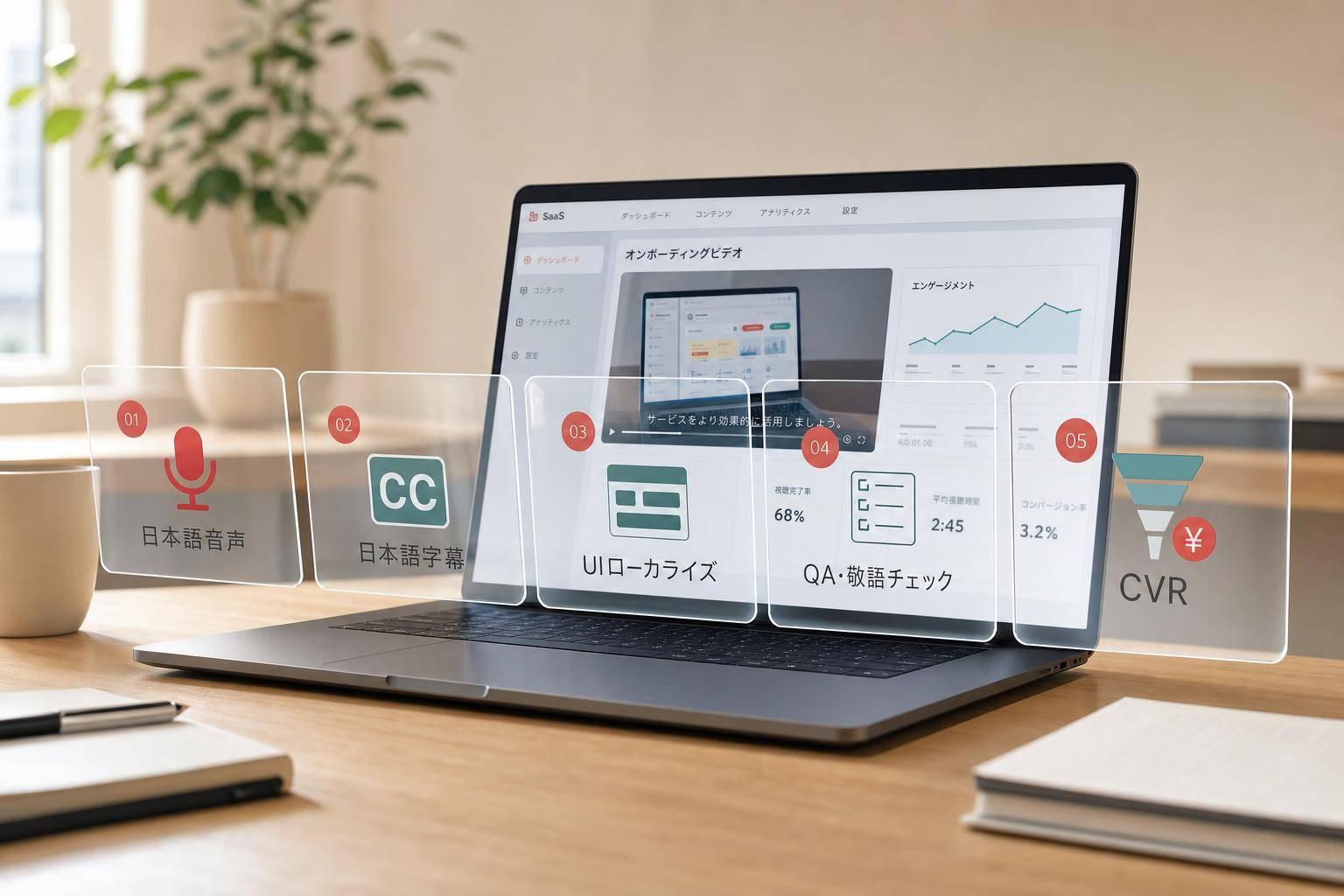
Localize SaaS videos for Japan: Japanese audio/subtitles, UI, tone, QA, formats, budgets, and measurable funnel impact.
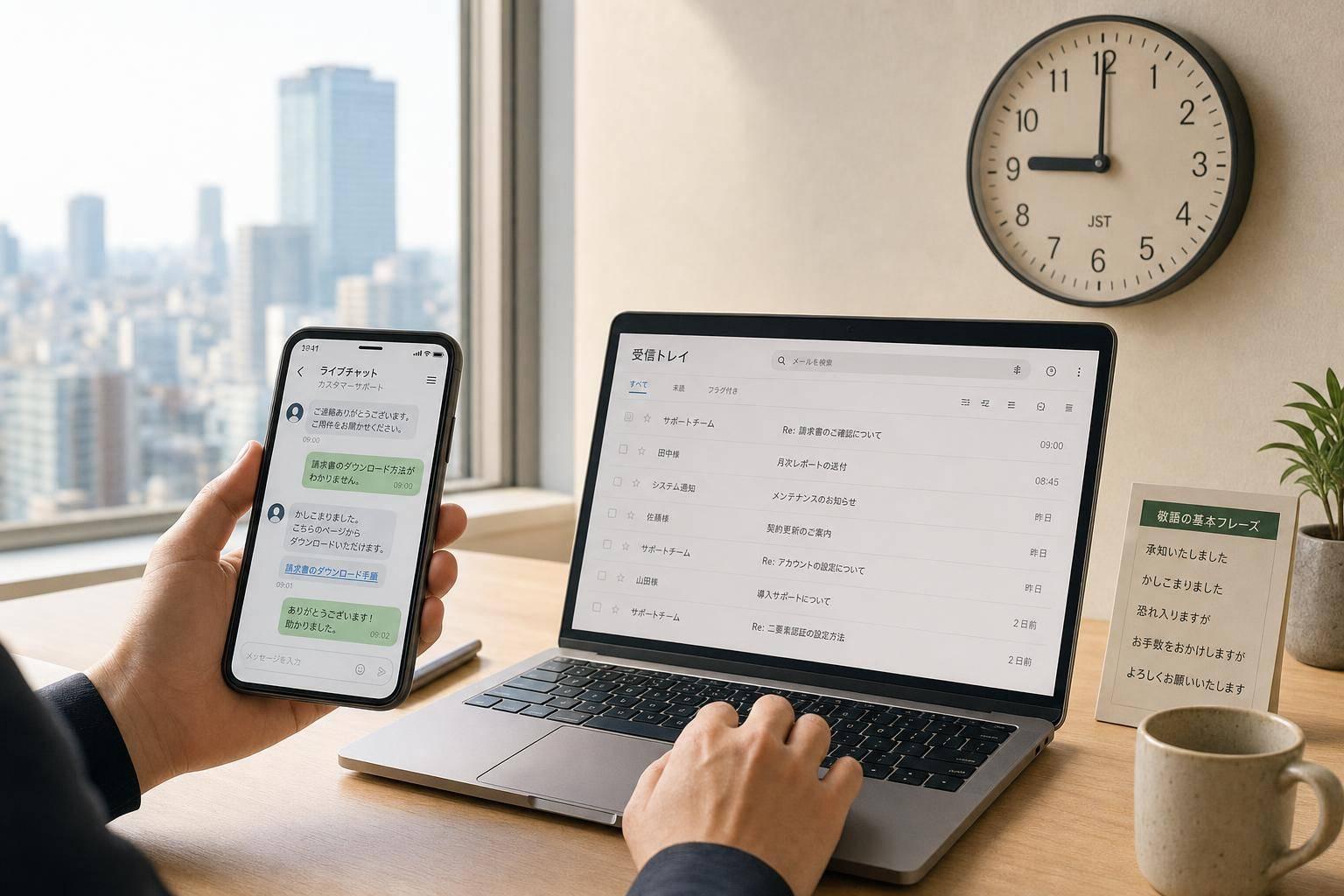
Compare live chat and email for Japan SaaS—tradeoffs in speed, keigo, JST coverage, staffing, and when to use each to…

Timing matters more than messaging in Japan—align campaigns with fiscal cycles, seasons, and holiday closures to win.
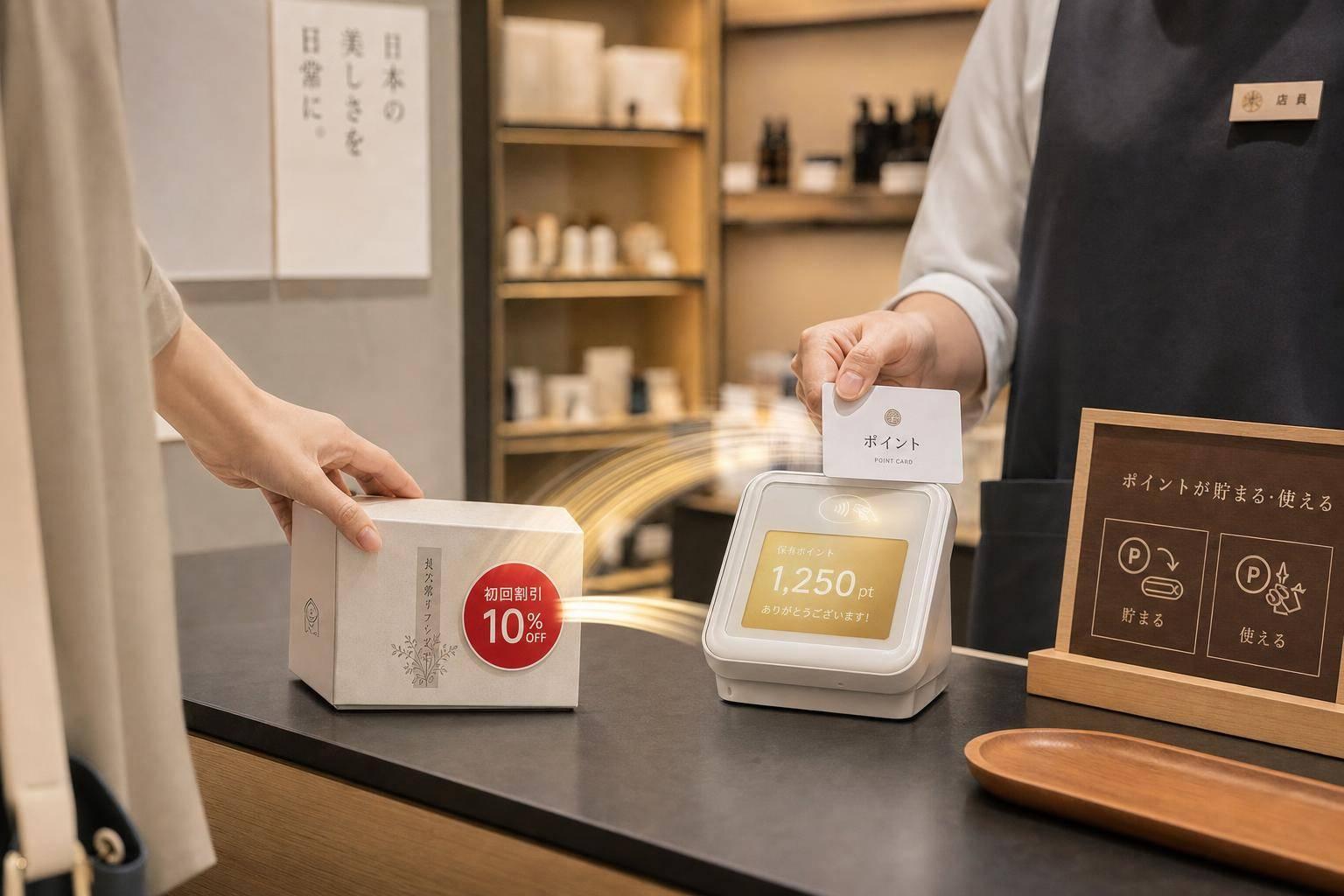
Use discounts to win initial deals in Japan, then shift to points-based loyalty and localized execution to improve retention and…

Master Japanese CEO protocols: titles, bowing, business cards, formal emails, and consensus-driven meetings to build trust.
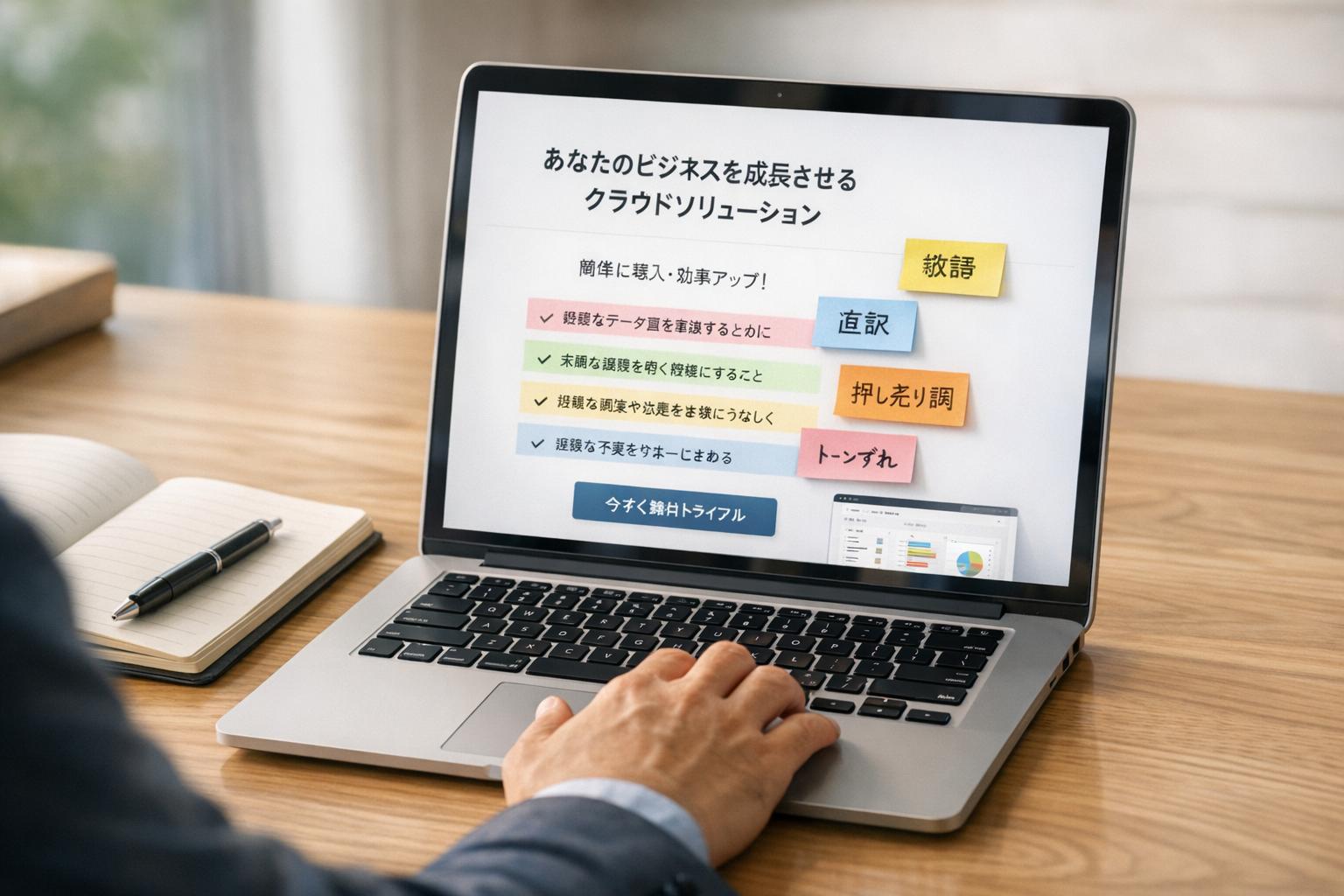
Avoid keigo errors, pushy copy, literal translations, and tone drift in Japanese SaaS content with clear, practical fixes to build…

Guide to ISMAP and ISMAP-LIU for SaaS: scope, ISO mapping, encryption, audits, and Japanese localization.

Top 10 SaaS firms in Japan (2026) analyzed — market trends, key metrics, and localization lessons for global vendors.
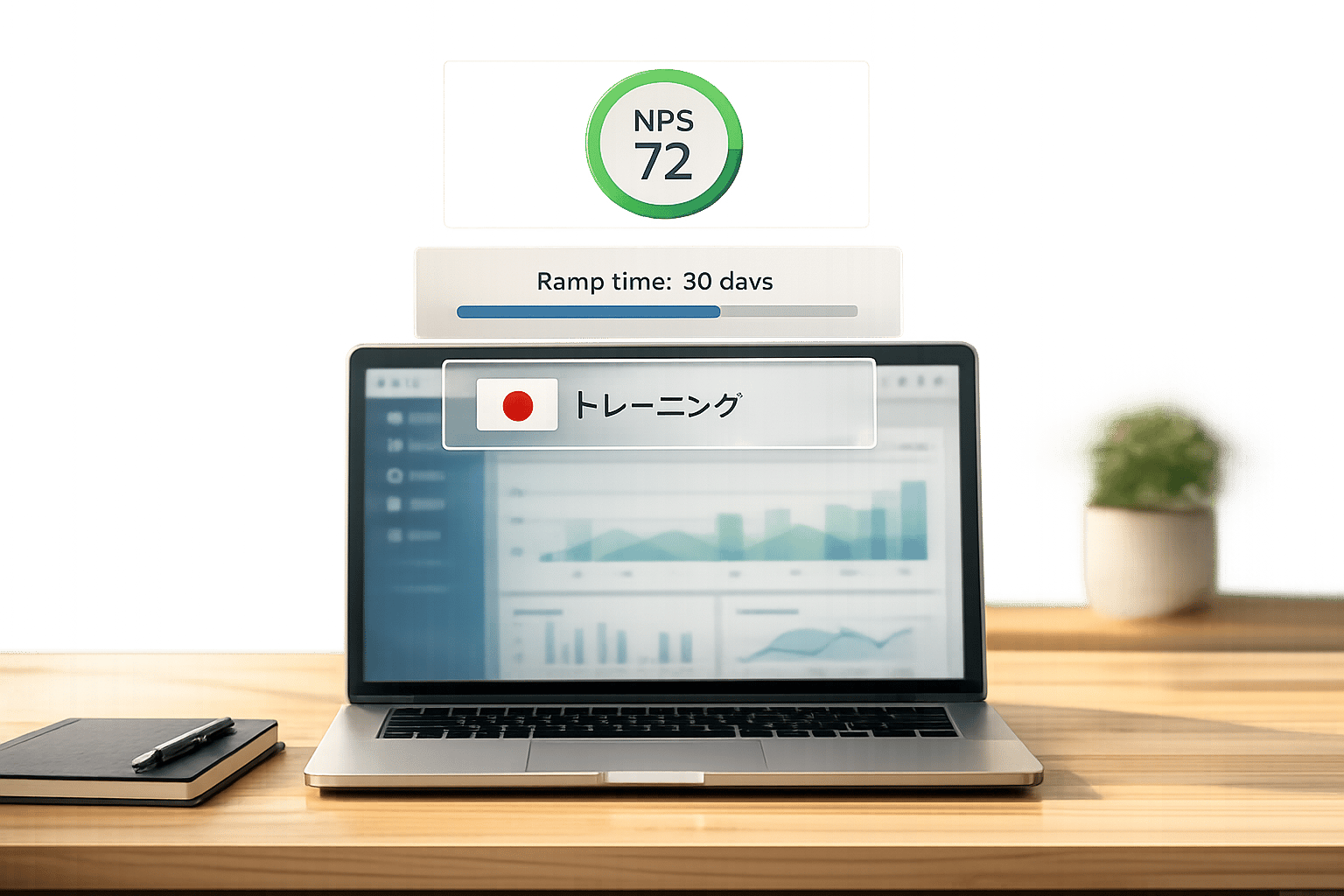
Turn partner input into measurable enablement gains—set clear feedback goals, track NPS and ramp time, and localize training for Japan.
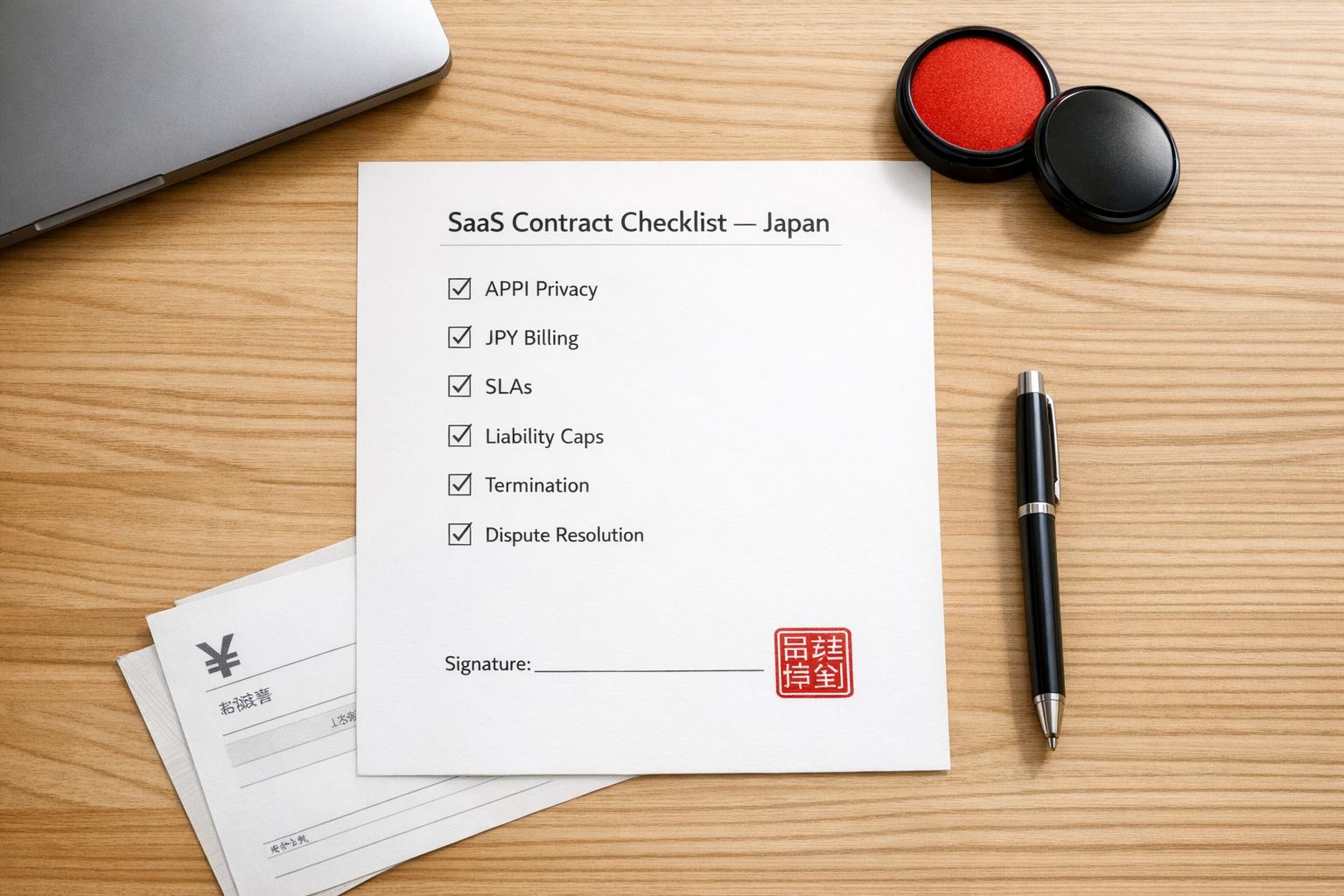
APPI-ready checklist for Japanese SaaS deals: privacy, JPY billing, SLAs, liability caps, termination, and dispute resolution.

Practical steps to localize SaaS content for Japan: tone, human-reviewed translation, long-tail keywords, technical SEO, and design.

Adapt UI, icons, charts, fonts, colors and IME support for Japanese SaaS users to improve adoption, readability and legal compliance.

Guide to Japanese technical layouts: grid-based typography, horizontal vs vertical text, line spacing, emphasis, and localization.

Warm introductions and local partners beat cold outreach in Japan, speeding consensus, boosting close rates, and lowering acquisition costs.

Compare how Japanese SaaS buyers differ from global customers in decision-making, customization, billing, and retention.

Why Japanese SaaS deals require a trust-first approach, when speed helps, and how localization and sales support shorten cycles.

Localized, measurable testimonials build trust with Japanese enterprise buyers—use keigo, obtain APPI consent, and partner locally.

Localization wins in Japan: formal tone, deep details, mobile-first UX, consistent support, and culturally tuned design drive SaaS adoption.

How silence works in Japanese business meetings—signals of respect, consensus and negotiation, and practical ways to read and respond to…

How Japanese SaaS firms speed decisions, flatten leadership, use OKRs/AI, and balance consensus with agility for market growth.

Step-by-step checklist to register and protect your SaaS trademark in Japan: classes, multi-script filings, fees, refusals and renewals.

Customer reviews drive SaaS buying in Japan—localization, APPI security, video testimonials, AI analysis, and strong retention matter.

Localized, data-driven case studies are the fastest way for foreign SaaS vendors to win trust and drive consensus in Japanese…

Mastering keigo is essential for building trust and winning long-term enterprise deals in Japan.
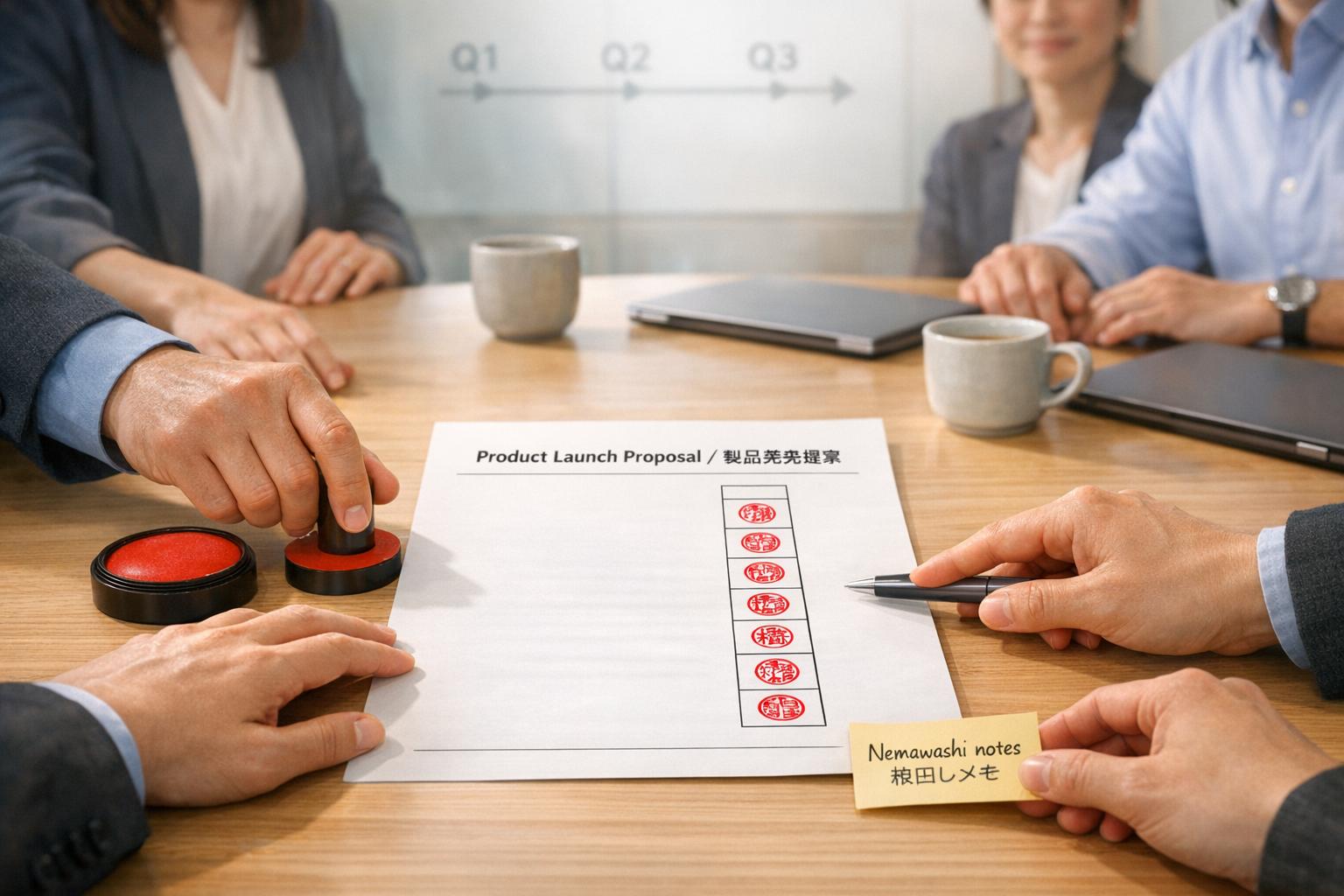
Adapt SaaS teams to Japan’s consensus decision-making—ringi, nemawashi, longer sales cycles, and cross-functional localized teamwork.
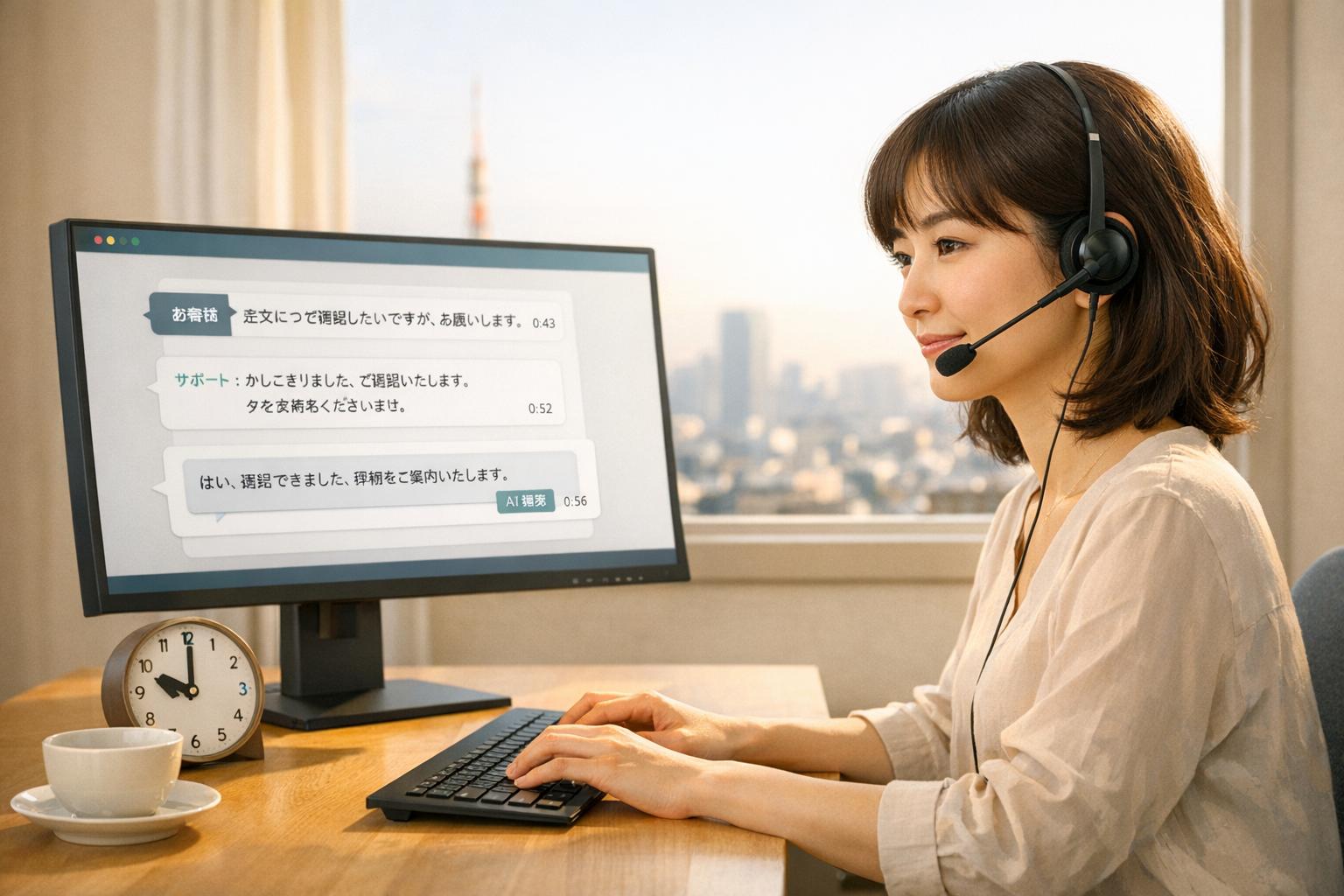
Fast, culturally aware support is vital in Japan—how SaaS teams meet response-time expectations with automation and local staff.
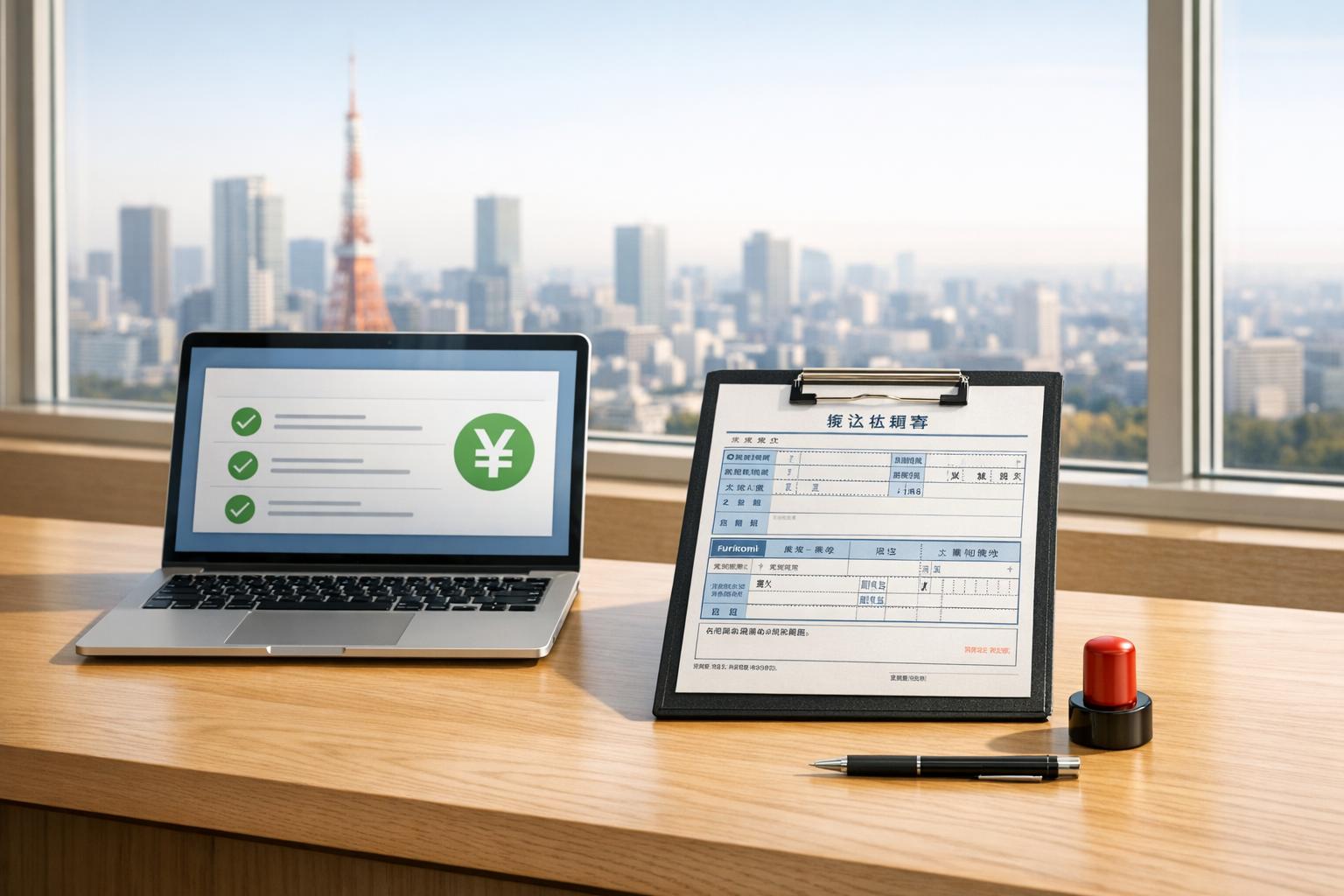
Mastering Furikomi billing and Japan’s payment laws is essential for SaaS businesses to ensure reliable payments and legal compliance.

How SaaS companies must adapt support for Japan: native-language staff, formal communication, local hosting, fractional teams, and trust-building strategies.

Compare Japanese and Western meeting norms: formality, hierarchy, communication, punctuality, and preparation to avoid cross-cultural misunderstandings.
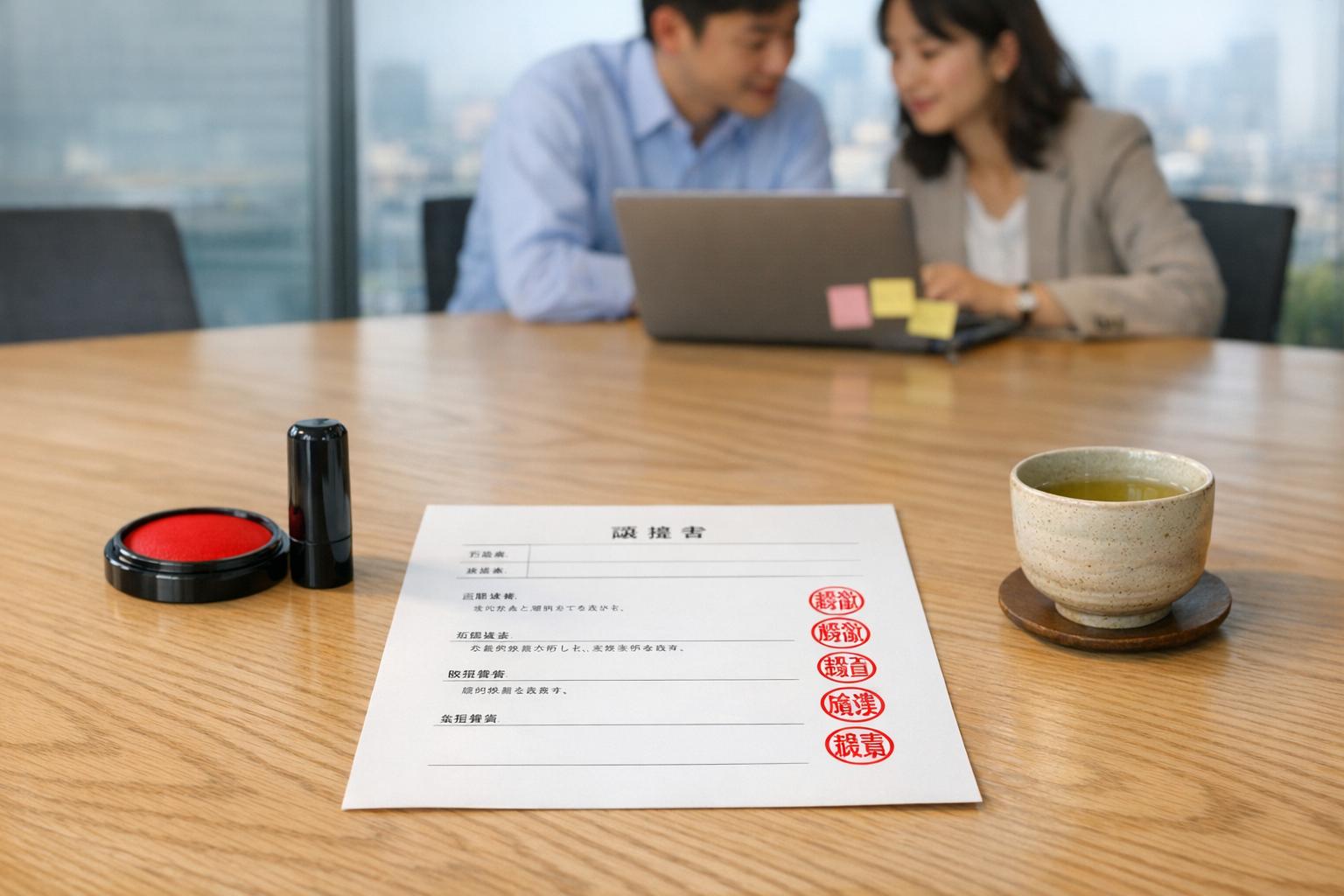
How Nemawashi (informal consensus-building) and Ringi (formal ringisho approvals) work — and how SaaS teams should use both to secure…

Silence is a deliberate communication tool in Japanese business—misreading it costs deals; learn how to listen, wait, and read nonverbal…

Facebook Ads deliver large reach, lower CPCs, and trust-aligned targeting for B2B SaaS in Japan when paired with localization and…
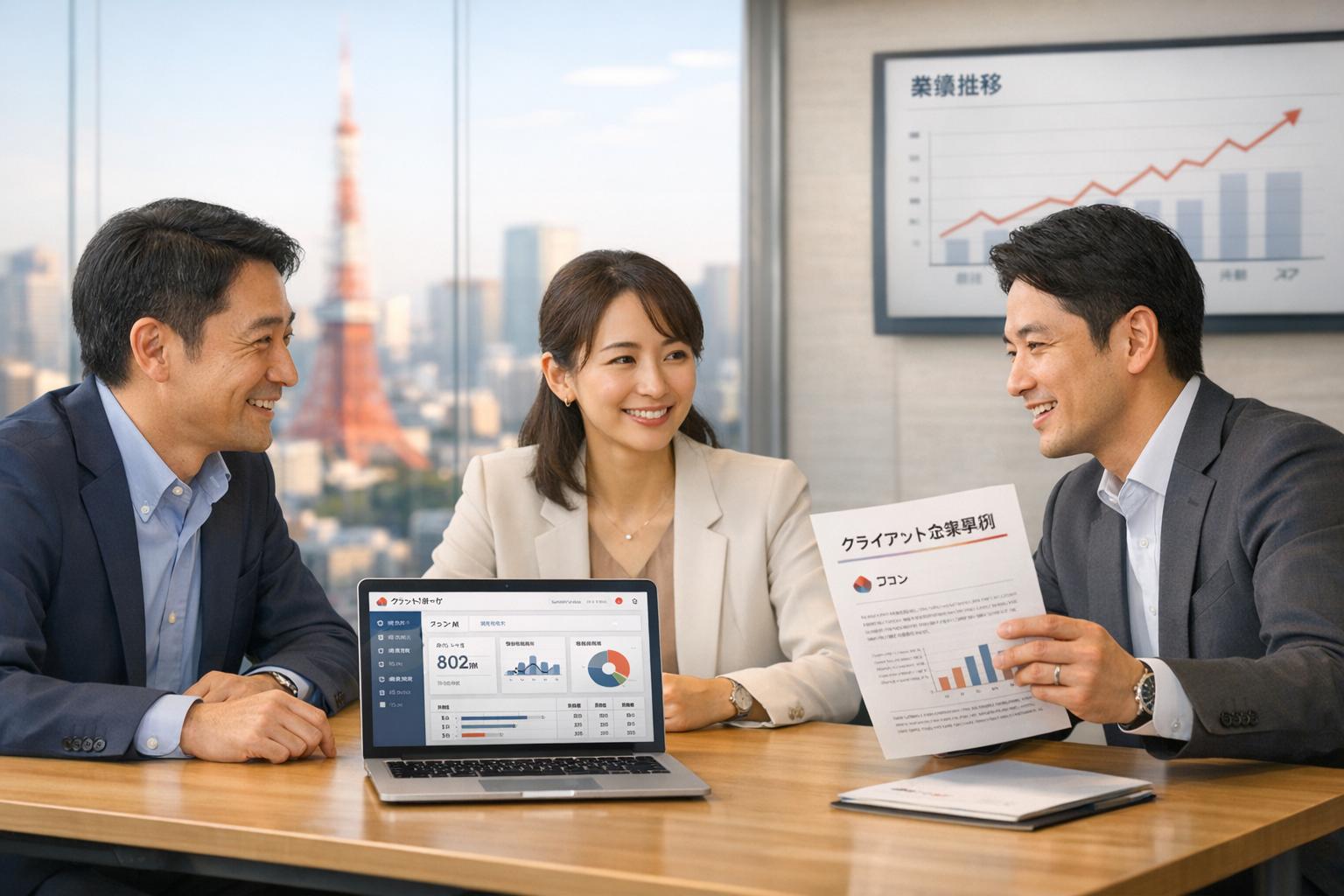
Practical lessons for SaaS entry into Japan: deep localization, consensus-driven sales, local case studies, and SEO tactics that drove measurable…

Practical strategies to earn trust from Japanese enterprise buyers: quality localization, Japanese-language support, compliance certifications, local partners, and dedicated account…

How middle managers drive Japan’s Ringi decision process: drafting Ringi-sho, building consensus with nemawashi, coordinating approvals, and using digital tools.

Training checklist for SaaS partners in Japan covering APPI data rules, METI cybersecurity guidance, breach reporting, SBOM, audits, and documentation.

Practical three-phase GTM playbook for SaaS companies entering Japan, covering market sizing, localization, sales cycles, and partner strategies.
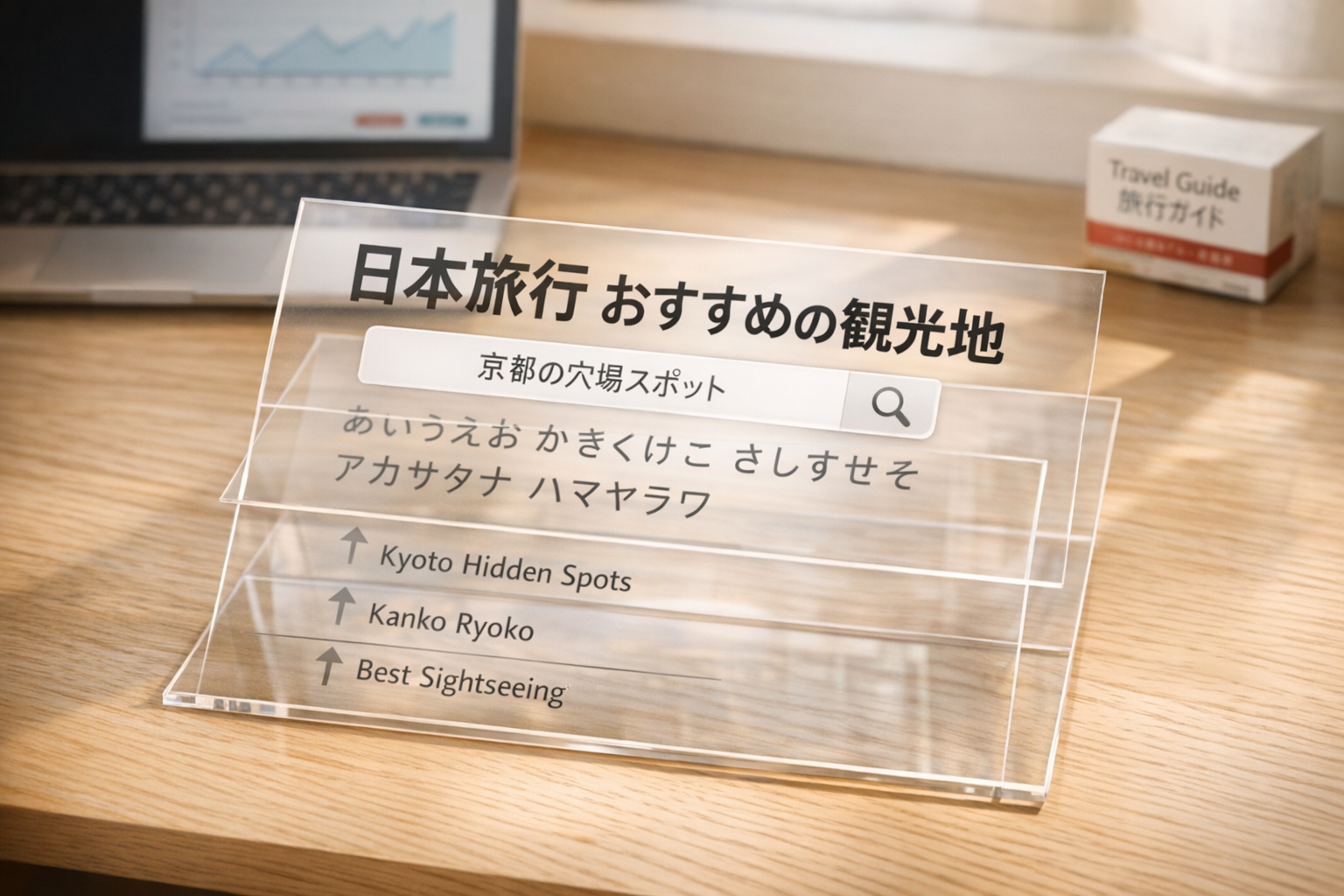
Practical guide to Japanese keyword research: scripts (Kanji/Kana/Romaji), local tools, long-tail tactics, and product localization for better SEO.

Respect hierarchy, adapt communication, use local partners, and deliver consistent quality to earn trust from Japanese enterprise clients.
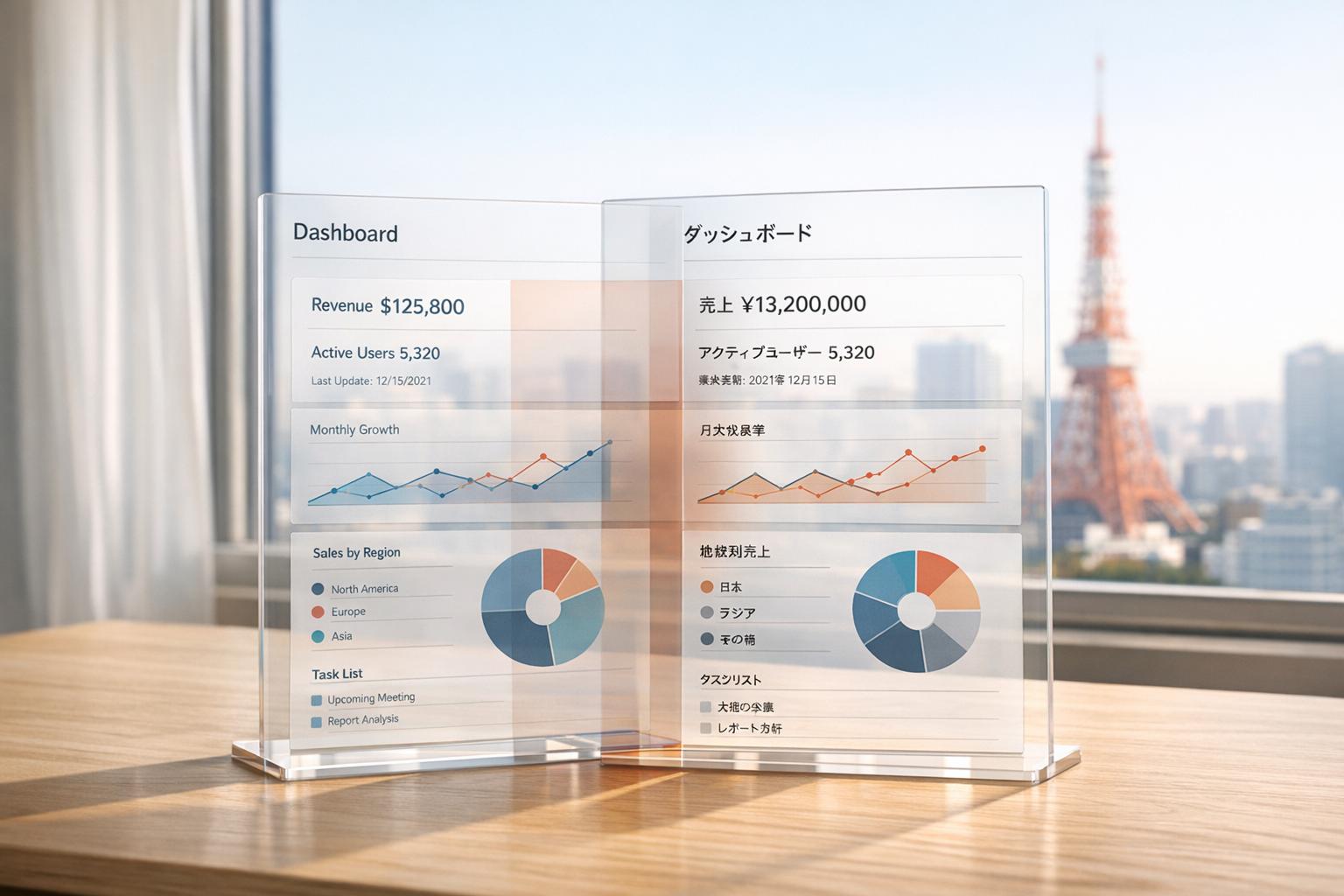
Compare localization and global branding for Japan’s SaaS market—when to localize, when global reputation helps, and why a hybrid often…

Compare Japanese and Western content marketing for SaaS: tone, CTAs, design, decision-making, and localization to build trust in Japan.

Guide to acquiring SaaS customers in Japan: full localization, local channels (Google, Yahoo! Japan, LINE), hybrid PLG, trust-building, and local…
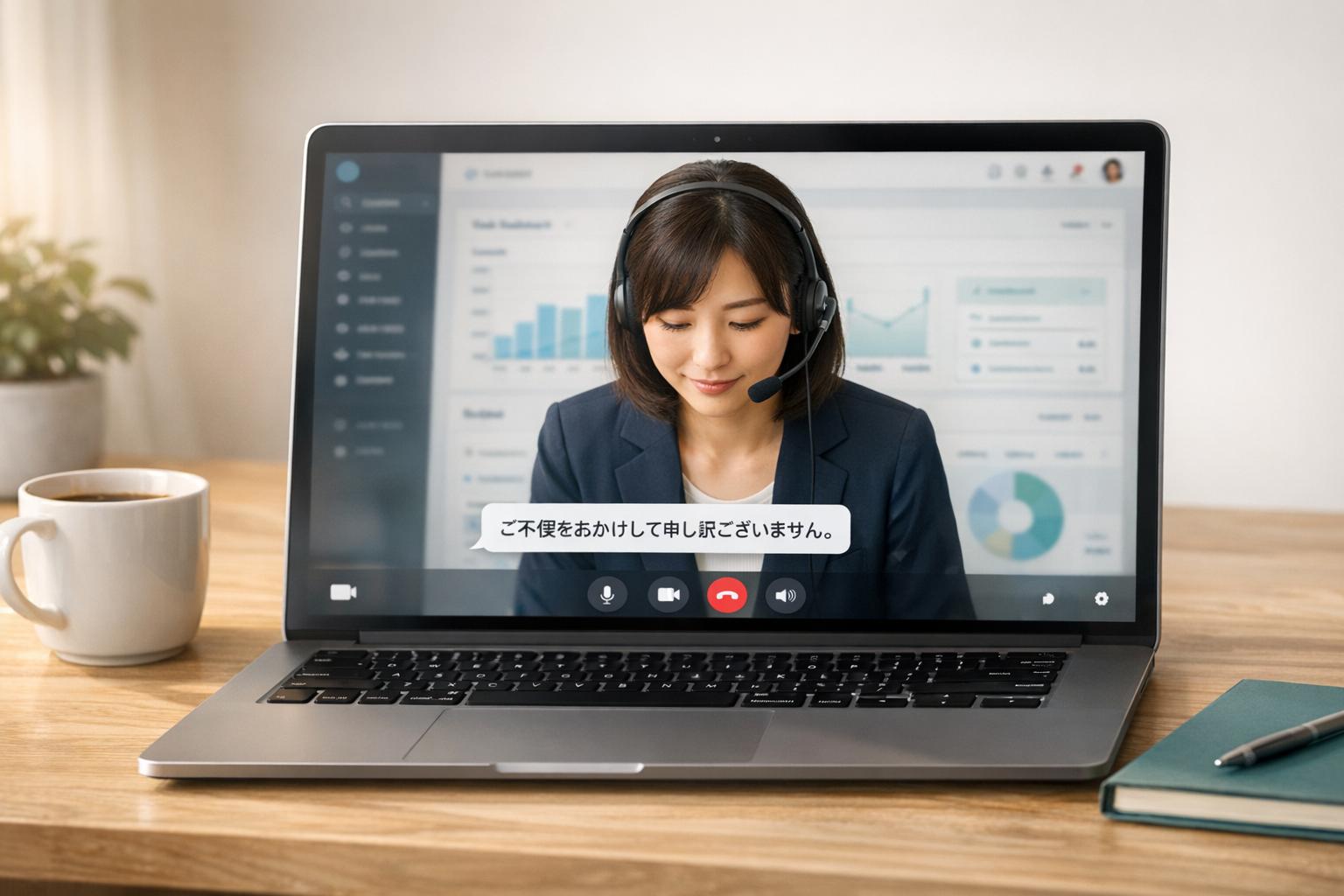
Formal, sincere apologies in Japanese SaaS support build trust: acknowledge inconvenience, use keigo, accept company responsibility and prevent silent churn.

Practical guide to entering Japan’s SaaS market: target segments, compliance, localization, sales channels, local setup, timelines, and risks.

Explains nemawashi and ringi, the six-step consensus process Japanese managers use, with SaaS tips on building trust and tailoring proposals…
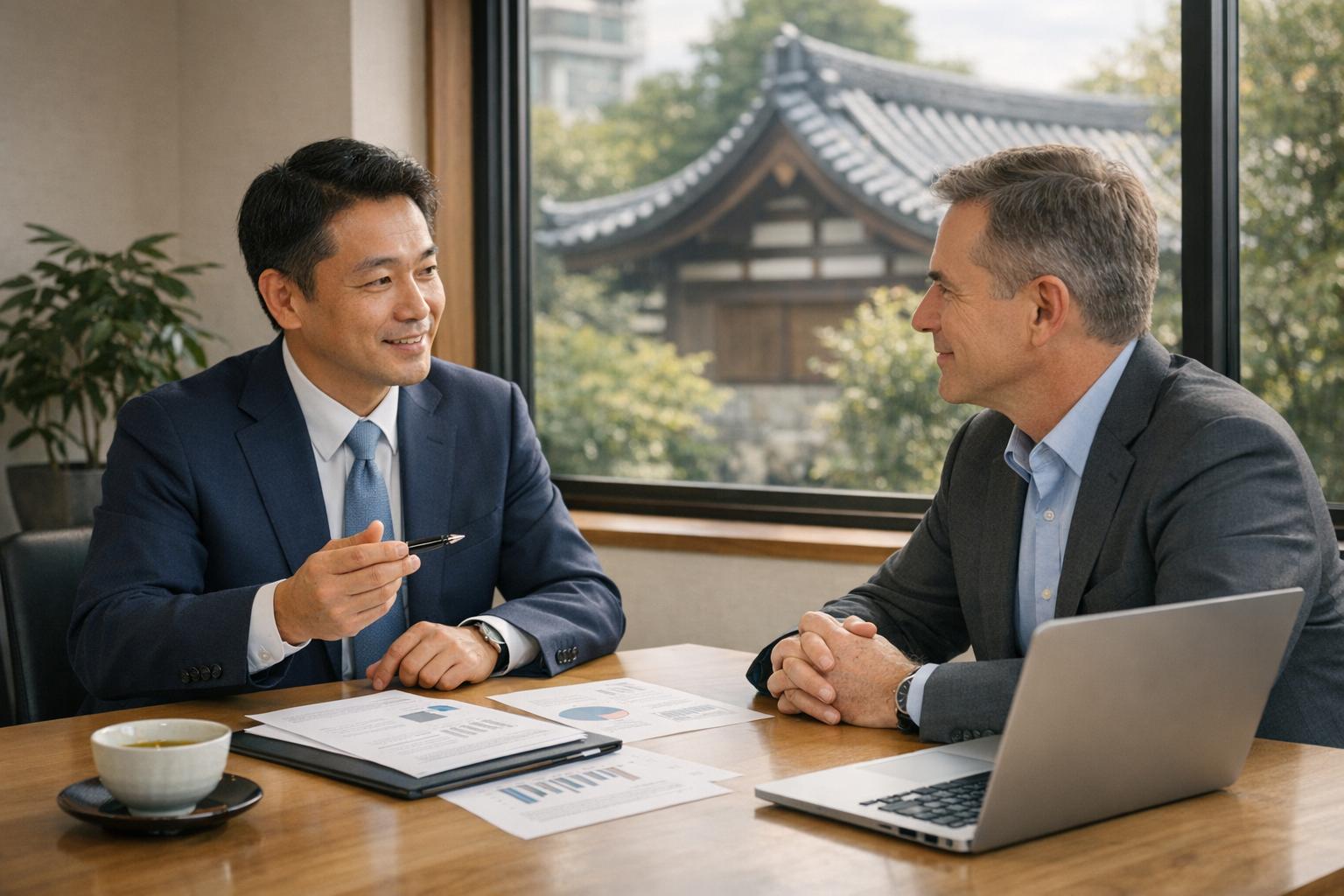
Questions and a 5-step framework to vet Japan SaaS partners on alignment, sales, localization, compliance, and cultural fit for successful…

Japan’s consensus culture — nemawashi, ringi, harmony — extends SaaS sales cycles and demands strong localization, stakeholder alignment, and shared…

How tone—formality, keigo, and cultural alignment—affects trust, conversions, and retention for SaaS companies entering Japan, with localization and testing tips.

How Japanese SaaS support demands full localization, high-touch service, and deep customization vs. global scalable, automated support models.

SaaS onboarding in Japan demands culturally tailored localization, consensus-driven processes, and long-term relationship-based support to secure enterprise adoption.

How to collect actionable customer feedback in Japan: navigate indirect communication, localization gaps, hierarchical bottlenecks, and fragmented data.

Earn trust from Japanese buyers by respecting etiquette, proving long-term commitment, localizing products, building relationships, and demonstrating authority.

Compare Japan’s consensus-based Ringi process with Western top-down decisions and learn how SaaS firms should adapt sales, localization, and timelines.

SaaS in Japan requires a patient, relationship-first approach: 12–24 month sales cycles, deep localization, and consensus-driven buying.

Learn how Japanese business favors indirect language, silence, and harmony — when to be direct for clarity and how to…

Keiretsu networks control enterprise buying in Japan — succeed by partnering with local integrators, localizing offerings, and mastering consensus-driven sales.

Japan’s omotenashi demands anticipation, fast replies, flawless delivery, and continuous post-sale care to earn long-term customer trust.

How nemawashi and ringi-sho shape decision-making in Japan—prioritizing harmony, shared responsibility, trade-offs, and practical tips for global SaaS firms.

Partnerships, deep localization, and Japan-based support are the decisive factors for SaaS success in Japan’s complex market.

Work effectively with Japanese managers using nemawashi and the ringi system: build consensus, engage middle managers, and adapt timelines and…

Explore Japan’s ISMAP framework, a crucial certification for cloud providers aiming to secure government contracts and enhance market credibility.

Effective partner training in Japan’s SaaS market requires cultural sensitivity and a focus on trust, decision-making, and localization.

Explore the contrasting negotiation styles between Japan and the West, highlighting the importance of trust, relationships, and cultural understanding.
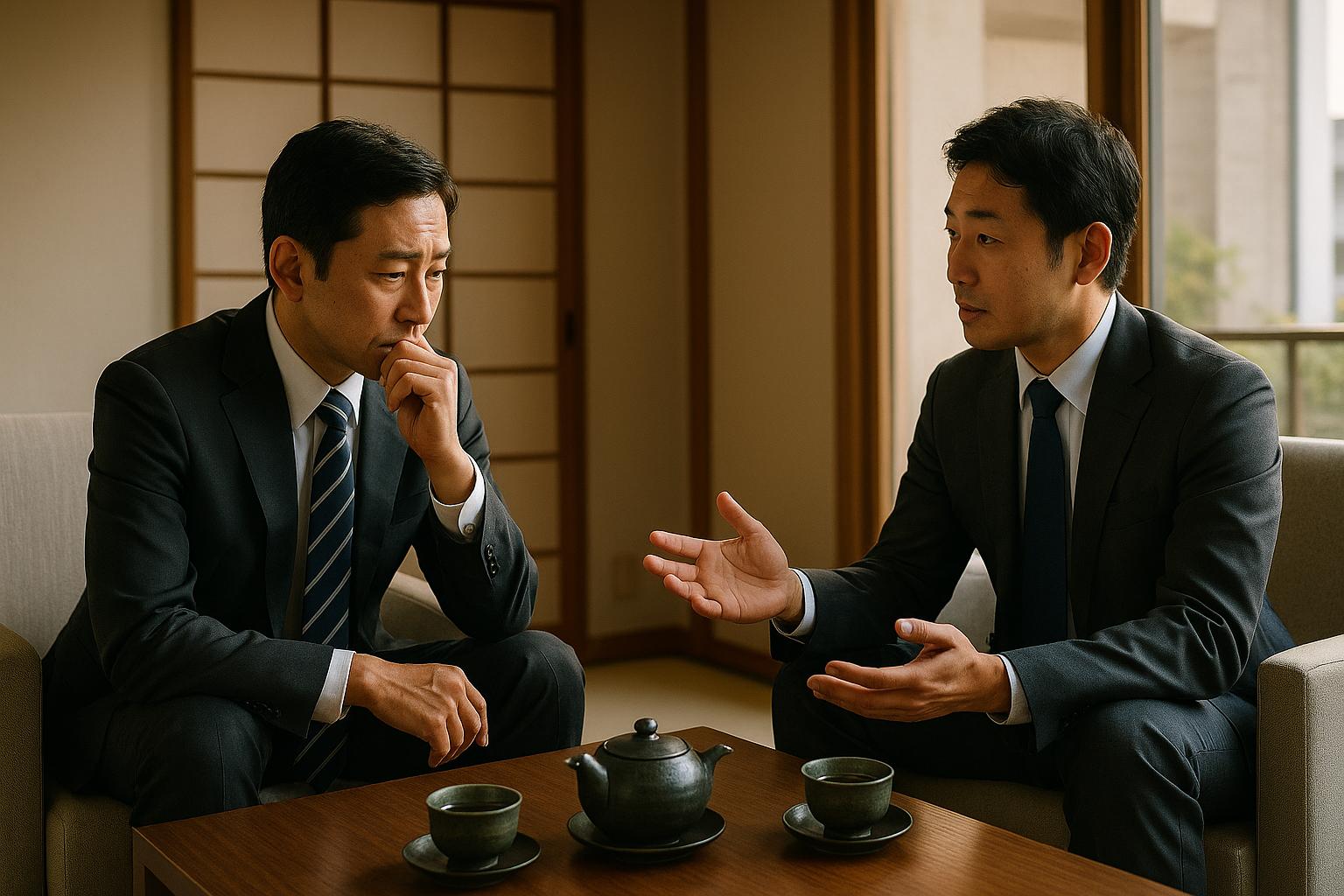
Understanding Japan’s risk-averse business culture is crucial for SaaS companies aiming to navigate long sales cycles and build lasting partnerships.

Understanding Japanese business decisions requires patience, consensus-building, and cultural insight to foster trust and successful partnerships.

Explore how Japan’s hierarchical structures impact business decisions, emphasizing consensus, collective responsibility, and the challenges they pose for foreign companies.

Learn how to effectively measure partner training ROI, set clear goals, and tailor programs for success in diverse markets like…

Understanding Japanese cultural values is crucial for effective SaaS messaging, focusing on respect, group harmony, and trust-building.

As global SaaS companies look to expand into Japan, understanding the nuances of Japanese landing pages is essential for driving…
Entering the Japanese SaaS market offers significant opportunities, but many foreign providers underestimate the complexity and strictness of the local…
Successfully launching a SaaS product in Japan requires more than translating existing content or implementing global strategies. Japanese buyers are…

Cracking the early adopter engagement code is the single most decisive factor for SaaS success in Japan’s sophisticated enterprise landscape.…

Expanding your SaaS business into Japan offers significant opportunities, but also presents unique challenges related to language, regulatory compliance, and…
Expanding into Japan is a significant challenge for global SaaS companies. Japan’s corporate culture is rooted in traditional decision-making frameworks…

Expanding into Japan presents significant opportunities for global SaaS companies but also brings distinct challenges—particularly in achieving and maintaining client…
Expanding your SaaS solution into the Japanese market presents significant opportunities, but also notable challenges. Success here requires more than…

Expanding a SaaS business into Japan offers tremendous opportunities but also brings distinct challenges that can hinder even the most…
Understanding nemawashi is essential for SaaS teams to navigate Japan’s unique B2B sales landscape, emphasizing relationships and consensus-building.
Explore essential insights for building trust in Japanese business, focusing on relationships, commitment, and cultural understanding for SaaS success.

Expanding a global SaaS business into Japan presents tremendous opportunities—but also significant challenges. Japanese buyers demand deep localization, cultural sensitivity,…

Expanding your SaaS presence into Japan presents a significant growth opportunity, but success depends on understanding the country’s unique business…

Successful enterprise sales in Japan require patience, trust, and a deep understanding of cultural nuances, emphasizing risk aversion and long-term…

Inside Japan’s Enterprise Procurement Process: What SaaS Vendors Must Know Expanding your SaaS business in Japan opens the door to…

The Power of Integrated Cross-Border Teams in SaaS Expansion Expanding a SaaS company into Japan presents tremendous opportunities, but also…
 Japanese
  English