
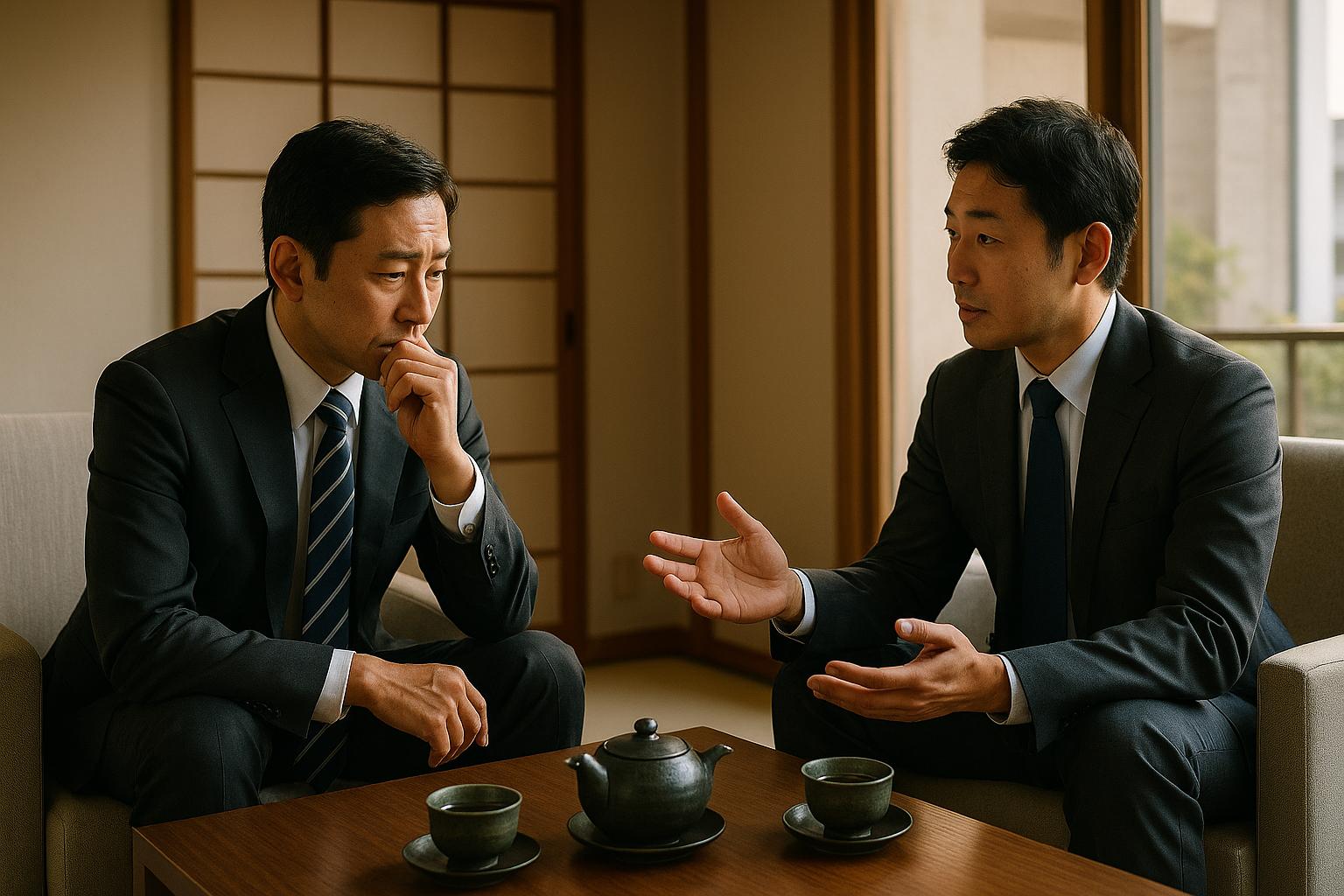
Navigating Japan’s SaaS market is challenging due to its risk-averse business culture. Unlike in the U.S., where deals can close in weeks, SaaS sales in Japan often take 6–12 months or longer. Why? Japanese companies prioritize trust, reputation, and thorough evaluation over speed. Here’s what you need to know:
- Consensus-Driven Decisions: Decisions involve multiple stakeholders, often 5–10 people, requiring extensive approvals and detailed documentation.
- Extended Approval Processes: Buyers demand tailored contracts, in-depth security assessments, and compliance with local regulations.
- Legacy Systems: Many businesses rely on outdated systems, making SaaS adoption slow and complex.
- Preference for Local Vendors: Domestic providers are often favored for their familiarity with Japanese business practices and regulations.
- High Service Expectations: Japanese clients expect personalized support, including Japanese-language documentation and dedicated account managers.
To succeed, SaaS providers must localize their offerings, invest in relationship-building, and demonstrate long-term commitment. By aligning with these expectations, companies can navigate the slower sales cycles and establish a foothold in this lucrative market.
How Risk Aversion Delays SaaS Deals
In Japan, risk aversion isn’t just a cultural nuance – it fundamentally shapes how SaaS deals unfold. While deals in Silicon Valley might wrap up in weeks, the same process in Japan often stretches into several months. This is largely due to the intricate, multi-layered procedures companies follow to minimize risk. These detailed processes not only slow down approvals but also complicate integration with existing systems.
Group-Based Decision-Making
The "ringi" system, a hallmark of Japan’s consensus-driven approach, transforms SaaS purchases into a group effort. Instead of a single decision-maker giving the green light, companies seek input and approval from stakeholders across various departments and levels of hierarchy. Even a minor concern, like a question about data privacy raised after IT’s initial approval, can send the process back to earlier review stages. Standard SaaS agreements in Japan often take 3–6 months to finalize, while contracts with large enterprises can stretch up to a year. This collective approach means every decision is weighed against its potential impact on the group’s reputation, making sign-offs a cautious and deliberate process.
Extended Approval Processes
In Japan, SaaS procurement is treated with the same gravity as major infrastructure investments. Each layer of the review process demands in-depth justifications, risk assessments, and formal presentations – typically documented in Japanese. Approvals often include rigorous security reviews, legal compliance checks, and evaluations by executives or boards, with repeated review loops when documentation or assurances fall short. Unlike American companies that often rely on standardized contracts, Japanese buyers expect tailored documentation addressing specific regulatory and operational requirements. This includes detailed security protocols, data handling practices, and integration plans, which add complexity to the process. For deals involving custom solutions, Japanese companies frequently reassess SaaS vendors at every renewal, requiring proof of value rather than opting for automatic renewals.
Dependence on Legacy Systems
Another significant hurdle is Japan’s reliance on long-standing legacy systems, especially in traditional industries and the public sector. These systems, often custom-built and refined over decades, pose major challenges for modern SaaS adoption. The risks associated with data migration, integration difficulties, and potential disruptions make companies hesitant to switch. Legacy systems also carry institutional knowledge and reliability, which further reinforces the reluctance to adopt new technologies. Japanese companies expect SaaS providers to adapt their solutions to fit local workflows, offering seamless compatibility, robust migration support, and ongoing technical assistance. For instance, a cyberattack on entertainment giant Kadokawa highlighted these vulnerabilities, amplifying the need for comprehensive risk management when adopting new technologies.
Barriers That Increase Risk Aversion
Certain cultural and operational dynamics in Japan amplify the tendency toward risk aversion among businesses. These factors create additional challenges for global SaaS companies trying to gain a foothold in the Japanese market. Combined with the previously discussed issues, these barriers make every stage of deal-making more complex.
Focus on Trust and Relationships
One of the cornerstones of Japanese business culture is trust, which must be firmly established before any transaction takes place. Building trust in Japan is no small feat – it often requires numerous in-person meetings, formal presentations, and ongoing demonstrations of reliability. For new vendors without a proven track record in the market, this process can be particularly daunting. Japanese clients tend to prioritize reliability and a history of success over speed, as a poor choice of vendor can have long-lasting reputational consequences.
For SaaS companies, this means investing heavily in relationship-building activities upfront. It’s not just about showcasing product features; it’s about demonstrating a long-term commitment to the Japanese market. Companies that approach Japan with a purely transactional mindset risk being perceived as insincere or uninterested in forming genuine partnerships.
Preference for Local Vendors
Adding to the challenge, Japanese businesses often prefer working with local vendors. These domestic providers are seen as more attuned to Japan’s regulatory landscape, compliance needs, and business etiquette. They offer key advantages, such as documentation in Japanese, customer support during local business hours, and familiarity with the intricate web of corporate relationships. This local edge often makes them the preferred choice, as they are perceived as more dependable and better equipped to deliver services tailored to Japanese expectations.
For global SaaS providers, this means going the extra mile to prove their reliability and relevance. It’s not enough to offer a good product; they must also demonstrate that their solutions align with the unique demands of Japanese businesses.
High Expectations for Support and Customization
Japanese clients expect a level of service that far exceeds the self-service models popular in other markets. They value personalized, high-touch support, which includes dedicated account managers, detailed onboarding, thorough training, and responsive customer service – all provided in Japanese. Unlike U.S. customers who are often content with standardized offerings, Japanese businesses expect SaaS platforms to integrate seamlessly into their existing workflows. This often involves extensive customization, robust integration with legacy systems, and flexible configurations to meet specific needs.
Failing to meet these high standards can harm a SaaS provider’s reputation and make market entry far more difficult. Additionally, Japanese companies frequently reevaluate their vendors during renewal periods, expecting providers to continually prove their value rather than relying on automatic renewals. To meet these demands, SaaS companies must allocate significant resources to customer success, technical support, and product development that caters specifically to Japanese clients.
sbb-itb-a752276
Strategies to Overcome Risk Aversion
For SaaS companies venturing into Japan, overcoming risk aversion is a key hurdle. Tackling this requires a well-rounded approach that addresses the cultural, operational, and technical factors influencing Japanese businesses’ cautious adoption of new technologies.
Localize Products and Communications
Localization is more than just translating text – it’s about tailoring your product to align with Japanese language, standards, and regulations. This means adapting everything from product interfaces and documentation to support materials, ensuring they meet local business norms and comply with regulations like the Act on the Protection of Personal Information (APPI).
Providing Japanese-language proposals, approval memos, and pricing in Japanese Yen is crucial for procurement teams. Additionally, onboarding and support processes should align with local expectations.
"All localization is completed by native SaaS experts to hit the right nuances of both your business and the Japanese market."
Take Nihonium‘s 2024 project as an example: they helped a U.S.-based SaaS company localize its CRM platform for Japan. This included full Japanese language support, compliance documentation, and pricing in JPY. The results? A 40% reduction in procurement cycle time and a 25% increase in deal closure rates within just six months.
Build Relationship-Led Sales
In Japan, trust is the foundation of business relationships. Dedicated account managers and consistent face-to-face interactions are essential to reduce perceived risks. Companies that succeed in Japan often assign Japanese-speaking managers, establish a local presence, and actively participate in local business events.
Japanese buyers are 2-3 times more likely than their U.S. counterparts to expect high-touch support and dedicated account management. This is especially important given the complex decision-making process, which often involves 5-10 or more stakeholders. Engaging all decision-makers early through tailored materials and group meetings can help build consensus during the lengthy procurement cycle.
For example, in February 2025, Box Japan streamlined its enterprise SaaS procurement process by mapping stakeholders and providing early compliance documentation. This approach reduced the average deal cycle from 12 months to 7 months. Prioritizing relationships sets the stage for smoother negotiations and stronger partnerships.
Use Local Expertise and Partnerships
Collaborating with local experts who understand both SaaS and the Japanese market can make market entry significantly easier. These specialists can help navigate complex procurement processes, cultural nuances, and regulatory hurdles while addressing the preference many Japanese companies have for local vendors.
Companies like Nihonium offer services such as product localization, marketing funnel creation, and fractional sales support. Their team comprises SaaS veterans with experience leading global companies and establishing local operations as country managers.
"Nihonium will be your Japanese sales team through the entire sales process, starting from initial outreach to closing to customer success."
Beyond sales, local partnerships can also amplify marketing efforts. This includes optimizing SEO for Japanese search behavior, hosting webinars tailored to local concerns, and collaborating with established Japanese firms to build credibility.
Show Long-Term Commitment
Japanese businesses value long-term relationships and need assurance that their SaaS vendors will provide reliable, stable service. Demonstrating this commitment involves more than words – it requires tangible actions that reflect ongoing investment in the Japanese market.
Investing in local infrastructure, offering multi-year contracts, and maintaining consistent service quality are effective ways to build trust. Publishing case studies of successful Japanese clients, obtaining local certifications, and joining industry associations can further enhance credibility.
Japanese enterprises also expect detailed documentation about security, compliance, and data residency before making decisions. Providing information about local data hosting, regular audits, and compliance with domestic standards like ISMS and FISC certifications can help address these concerns.
The effort to build and maintain long-term relationships pays off well beyond the initial sale. Since Japanese companies frequently reassess vendors and don’t automatically renew contracts, ongoing communication, regular value demonstrations, and adaptability to client needs are essential for securing renewals and expanding market presence. By staying proactive and attentive, SaaS companies can position themselves for sustained success in Japan.
Conclusion: Managing Risk Aversion for SaaS Success in Japan
Navigating Japan’s SaaS market requires a departure from the usual Western sales playbook. Companies face unique challenges, including consensus-driven decision-making that involves multiple layers of approval, extended timelines that can stretch beyond a year, and a strong inclination toward working with domestic vendors.
To overcome these hurdles, successful companies prioritize localization, relationship-driven sales strategies, and forming local partnerships. But this isn’t just about translating a product into Japanese – it’s about creating experiences that genuinely align with Japanese business norms and expectations.
Japan, as the world’s third-largest economy, offers a SaaS market with immense potential, projected to grow by 3.7 times its current size. For companies willing to embrace a long-term, culturally aware approach, the rewards of overcoming risk aversion are well worth the effort.
Winning in this market means rethinking the entire go-to-market strategy. This includes fully localizing products, assembling dedicated Japanese sales teams, and collaborating with local experts who understand both the technical and cultural intricacies of the landscape. Companies like Nihonium provide critical native expertise, helping bridge the gap between global SaaS offerings and Japan’s unique business environment. These adaptations not only speed up the sales process but also establish a strong and lasting presence in the market.
FAQs
How can SaaS companies build trust and strong relationships with Japanese businesses, given their cautious approach to risk?
To build trust with Japanese businesses, SaaS companies need to prioritize localization and nurture relationships. This means adapting your product to align with local preferences, crafting marketing strategies that resonate culturally, and showing a genuine commitment to long-term partnerships.
Partnering with services like Nihonium can make a big difference. They specialize in Japan-specific localization, developing tailored marketing funnels, and providing fractional sales support, all designed to help global SaaS companies thrive in the Japanese market.
How do outdated systems in Japan impact SaaS adoption, and what steps can providers take to overcome these barriers?
Outdated systems in Japan can make it tough for businesses to embrace new SaaS solutions. Many companies are reluctant to move away from long-standing processes or try out unfamiliar technologies. This resistance is often tied to a culture that values stability and proven outcomes over taking risks.
For SaaS providers aiming to succeed in Japan, localization is key. Adapting products and strategies to fit Japanese business norms can make a huge difference. This might include tweaking the user interface to align with local preferences, designing marketing funnels that resonate culturally, or providing hands-on sales support to guide businesses through the transition. Collaborating with experts who understand the nuances of entering the Japanese market can also help build trust and lower resistance, making it easier for companies to adopt new solutions.
Why is localization essential for SaaS companies expanding into Japan, and what should they adapt to fit local business practices?
Localization plays a crucial role for SaaS companies looking to succeed in Japan. It ensures that products and services resonate with the country’s distinct business practices and customer preferences. Skipping proper localization can lead to miscommunication, diminished trust, and delays in closing deals due to cultural discrepancies.
Important aspects to focus on include language, user interface design, payment options, and customer support. It’s also essential to adapt to Japan’s formal communication style, comply with local regulations, and address specific market demands. These steps are key to establishing credibility and building strong, lasting client relationships.
 English
  Japanese