

Want to succeed in Japan’s SaaS market? Here’s the key: patience, trust, and a strong local presence. Unlike Western markets, where quick decisions and flashy features often win, Japanese businesses prioritize long-term relationships, trust (shinrai), and reliability. Deals can take 12–24 months to finalize, but the payoff is worth it – lasting partnerships and customer loyalty.
Key Takeaways:
- Trust is everything: Building relationships through consistent engagement is more important than price or features.
- Localization is non-negotiable: Products, materials, and support must align with Japanese language and business norms.
- Local presence matters: A Japanese office and team demonstrate commitment and credibility.
- Customer success drives growth: Ongoing support and tailored training are crucial for retention and referrals.
Success in Japan requires understanding their business culture, investing in localization, and demonstrating a genuine commitment to the market. Shortcuts won’t work here, but the long-term rewards are significant.
How Long-Term Commitment Drives Japan SaaS Sales
In Japan, the key to SaaS success lies in sustained engagement. Unlike the faster-paced, results-driven approach often seen in Western markets, Japanese enterprise clients prioritize long-term relationships and genuine dedication. This process can take months – or even years – but it sets the stage for a solid and enduring presence in the Japanese market.
Trust-Based Sales Approach
For Japanese enterprises, relationships matter far more than individual transactions. The concept of shinrai, which translates to deep trust, plays a central role in how SaaS vendors are evaluated. Building this trust takes time and requires consistent, reliable interactions. Flashy product demos or competitive pricing alone won’t sway Japanese buyers.
It’s important for Western teams to understand that Japan’s deliberate evaluation process doesn’t signal a lack of interest. Instead, it reflects the importance placed on thorough assessment. Vendors who remain engaged throughout this extended period often see better conversion rates. Japanese decision-makers also expect vendors to demonstrate an in-depth understanding of their industry and specific business challenges. Tailored proposals that directly address these challenges are far more effective than generic pitches.
In addition to trust-building, visible market investments further solidify a vendor’s reliability.
Investment Shows Reliability
Investing in the Japanese market is a powerful way to earn trust. Establishing local infrastructure signals a vendor’s dedication to the region. But it’s not just about having a physical presence. Japanese businesses value fully localized support – offered during local business hours by teams who understand both the technical aspects of the product and the nuances of Japanese business culture.
Regulatory compliance is another critical factor. Adhering to standards like the Personal Information Protection Act (PIPA) and meeting industry-specific requirements reinforces a vendor’s commitment to doing business responsibly in Japan. Long-term partnerships often begin with pilot programs and gradual rollouts, requiring patience and sustained effort. However, this approach pays off with higher customer lifetime value and a stronger referral network.
With trust established and investments in place, the next step is ensuring ongoing customer success.
Customer Success and Growth
Once trust is earned and reliability is demonstrated, vendors must focus on delivering continuous value. Japanese enterprises expect their SaaS providers to act as long-term partners who are genuinely invested in their success.
Ongoing support and in-language training are crucial for client retention and satisfaction. These efforts help customers maximize the value of the software and uncover opportunities for improvement. Japanese businesses prefer structured training sessions led by teams who understand their specific needs and operating environment.
In Japan’s business culture, where trust and reputation carry significant weight, word-of-mouth can be a game-changer. Vendors that clearly show long-term commitment can benefit from strong referrals. Offering flexibility and customization to meet the unique needs of each industry further strengthens these partnerships, laying the foundation for lasting success in the Japanese market.
Case Studies: Success Story
Salesforce Japan
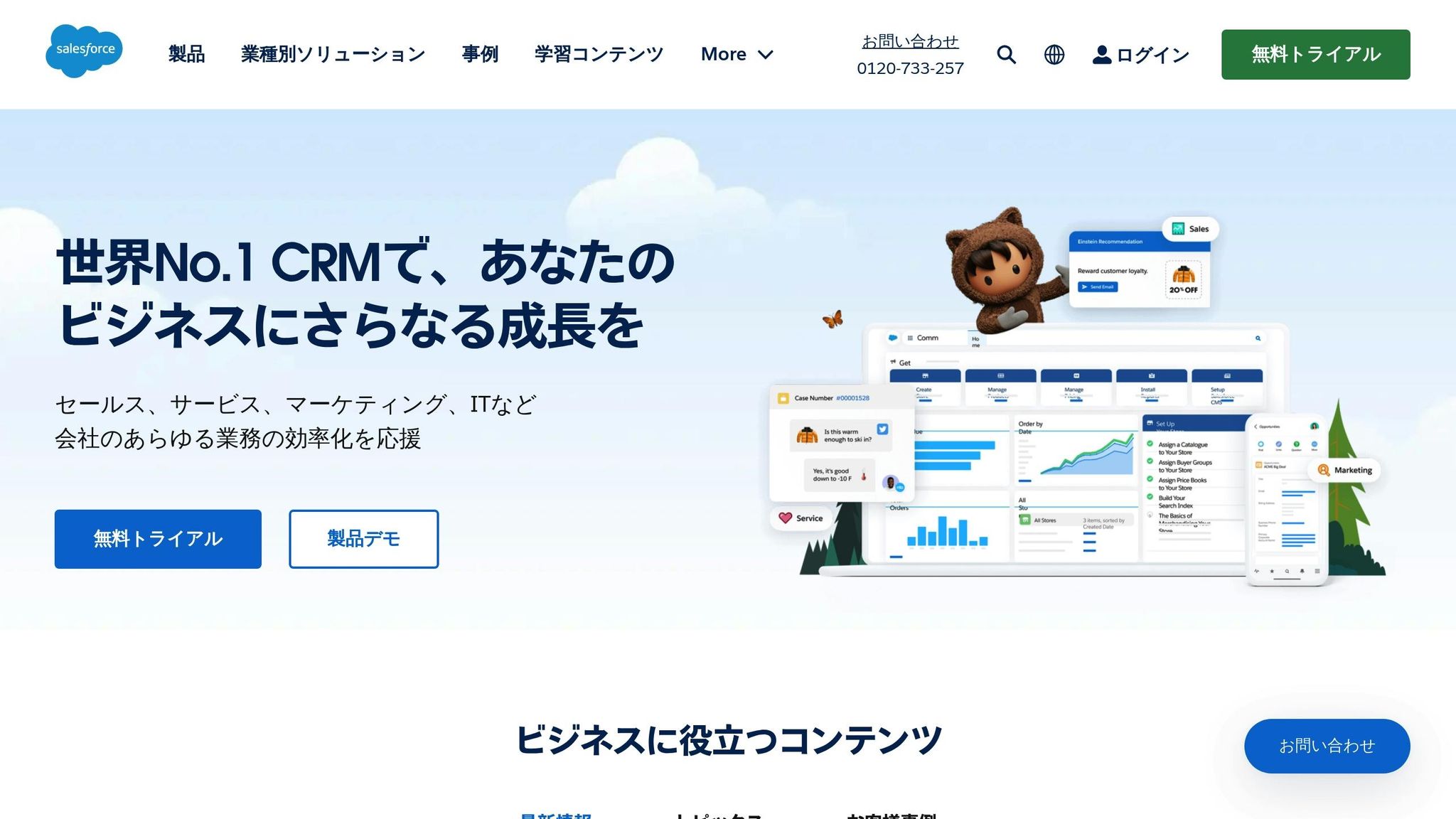
Salesforce Japan broke away from the typical Western direct-selling model by bringing in local leaders skilled in Japan’s consensus-driven decision-making process. They adjusted their approach to align with Japan’s relationship-focused business environment, laying the groundwork for trust-based client connections.
The company placed a strong emphasis on in-person meetings and established key partnerships within the industry. They also invested heavily in customer success teams, a crucial element in Japan’s service-oriented market. This focus on building strong relationships underscored their long-term dedication to their clients and partners. These efforts led to meaningful local investments that strengthened their foothold in the market.
sbb-itb-a752276
How to Show Commitment in Practice
Building trust and investing in the Japanese market requires more than just surface-level adjustments. To truly connect and succeed, your company must demonstrate a deep, long-term commitment through specific, actionable strategies.
Complete Localization
Localization isn’t just about translation – it’s about creating an experience that feels tailor-made for Japanese users. This means adapting user interfaces and workflows to align with Japanese business practices, using appropriate honorifics, and ensuring all text is displayed correctly in Japanese characters.
Japanese text often takes up about 30% more space than English, so interfaces should allow for this expansion. Additionally, use date formats (YYYY/MM/DD), number systems, and currency conventions (¥) that are standard in Japan. Customer-facing materials should reflect Japanese etiquette, both in tone and design.
Detailed guides with visuals are particularly important. Japanese users value thorough, step-by-step instructions that anticipate their questions and provide clear explanations. Unlike brief answers, this level of detail shows respect for their preference for comprehensive information. By fully localizing your product, you lay a solid foundation for entering the Japanese market.
Local Office and Team Investment
Establishing a local office is critical in Japan. It signals to potential customers that you’re serious about the market and not just testing the waters. A local presence ensures you’re available during Japanese business hours and allows you to better understand the market’s unique dynamics.
Equally important is building a local team. Hiring Japanese staff is essential for navigating cultural nuances and business practices. Local employees understand when to use formal or casual communication, how to approach consensus-building, and can pick up on subtle cues that foreign staff might overlook. They also help build authentic relationships with prospects and customers.
Participating in industry events strengthens your credibility. Attend conferences, join business associations, and partner with established Japanese companies. While these efforts take time to bear fruit, they build the groundwork for long-term success.
Japanese Customer Success Programs
Tailor your onboarding process to Japanese preferences. Instead of quick tutorials, offer thorough training sessions that help users understand your product in its entirety. Japanese customers often prefer mastering a system upfront rather than learning through trial and error.
Provide ongoing support in Japanese to strengthen trust and satisfaction. Proactive outreach, such as regular check-ins, ensures customers are getting the most out of your product. Anticipating their needs and offering solutions before issues arise demonstrates your commitment to their success.
Maintain relationships through regular meetings. Whether in-person or virtual, face-to-face interactions are highly valued in Japan. Quarterly business reviews, annual planning sessions, and informal check-ins help nurture trust and strengthen bonds. This proactive relationship management encourages renewals and opens doors for expansion.
Key Lessons for Global SaaS Companies
As mentioned earlier, succeeding in Japan’s SaaS market requires a long-term commitment. Companies that treat Japan as just another stop on their expansion checklist often struggle, while those that invest in understanding and adapting to the market tend to build strong, lasting businesses.
Why Long-Term Commitment Is Required
Japanese buyers value stability and long-term relationships far more than flashy features or quick fixes. Your dedication to the market becomes a critical factor in winning their trust and closing deals.
Unlike Western markets, where results can materialize within 6–12 months, Japanese deals typically take 12–24 months to finalize. However, the payoff is worth the wait – these partnerships often last for decades with minimal churn. Once trust is established, customers frequently become advocates, referring others and increasing their investment in your product over time.
Success in Japan also hinges on consistent market education. By focusing on thought leadership and relationship-building, companies can foster trust and build consensus within organizations. Those expecting instant results often exit prematurely, further fueling skepticism among Japanese buyers about foreign vendors’ reliability.
Cultural missteps can have long-lasting consequences. A rushed market entry or poorly localized product can harm your reputation for years. Japan’s tightly connected business networks mean that negative experiences spread quickly, making it crucial to invest in proper localization and culturally sensitive strategies from the outset.
With this long-term mindset in place, companies can benefit from tailored support to navigate these challenges effectively.
How Nihonium Can Help
Nihonium offers targeted solutions to help SaaS companies demonstrate their commitment to the Japanese market by addressing the priorities of Japanese buyers.
- Complete localization for Japanese audiences ensures that every interaction feels native. Nihonium handles localization for apps, documentation, and customer-facing materials, creating a seamless experience across all touchpoints.
- Marketing funnel creation helps establish your credibility and visibility in Japan. From SEO optimization to educational webinars and strategic local partnerships, Nihonium builds the sustained presence that Japanese buyers expect. This approach not only boosts your brand but also shortens sales cycles and improves conversion rates.
- Fractional sales support provides local expertise without the expense of building a full in-house team. Nihonium assists with lead generation, deal negotiation, and ongoing account management, all while maintaining the relationship-focused approach that resonates with Japanese customers.
- Custom go-to-market strategies are designed specifically for your product and target audience in Japan. Nihonium avoids cookie-cutter solutions, instead crafting strategies that align with Japanese buyer behavior, competitive dynamics, and regulatory requirements. This tailored approach minimizes the risk of false starts and sets your company up for long-term success.
FAQs
Why is it important for SaaS companies to establish a local office and hire Japanese staff when entering the Japanese market?
Establishing a local office and bringing Japanese staff on board is a must for SaaS companies looking to break into Japan. Why? Because doing so helps navigate Japan’s distinct business culture, which places a high value on trust, respect, and building consensus. Having a physical presence signals your commitment to the market and strengthens connections with both clients and partners.
Hiring local talent goes a long way in addressing language barriers, gaining a deeper understanding of consumer behavior, and ensuring your business aligns with local regulations. These insights not only enhance your company’s credibility but also give you a head start in Japan’s competitive SaaS market, setting the stage for long-term success.
What steps can Western SaaS companies take to tailor their products for Japanese businesses?
To effectively tailor their products for Japanese businesses, Western SaaS companies need to prioritize thorough localization. This means tweaking user interfaces to match Japanese design aesthetics, adhering to local regulations, and acknowledging cultural subtleties like communication norms and business etiquette.
It’s also essential to adapt pricing structures, payment options, and customer support to align with local preferences. Providing bilingual support and focusing on building long-term relationships can go a long way in establishing trust and driving success in the Japanese market. These efforts lay the groundwork for a solid presence in Japan.
How can SaaS companies build lasting trust with Japanese enterprise clients?
To earn the trust of Japanese enterprise clients, it’s crucial to emphasize long-term commitment and focus on building strong relationships. In Japan, trust, loyalty, and steady collaboration are cornerstones of business culture. Patience and a genuine dedication to their success go a long way.
Here are some strategies that can help:
- Adapt to local practices: Customize your product, customer support, and communication style to align with Japanese business expectations and cultural norms.
- Develop local partnerships: Establish strong connections with trusted local partners or stakeholders to enhance your credibility.
- Maintain consistency and reliability: Regular engagement and consistently delivering on promises demonstrate your commitment and dependability.
By committing to these approaches, SaaS companies can create meaningful connections with Japanese enterprise clients, setting the stage for long-term success in this market.
Related Blog Posts
- 10 Must-Know Japanese Business Culture Tips for SaaS
- Top SaaS Sales Tactics for Long-Term Success in Japan
- Study: Impact of Cultural Nuances on SaaS Partnerships in Japan
- B2B SaaS Buying Behavior in Japan
 English
  Japanese