

Importance of Localization for SaaS Products in Japan
Introduction
Entering a new country, region, or territory is one way to get new customers. New customers are great, as they provide immediate new revenue and potential expansion revenue. Entering a new market can be tough, as every country has its own nuances. Japan is especially particular in how things operate, but if a company successfully enters Japan, it is rewarded access to the second largest enterprise software market with loyal customers. The most successful global SaaS have a good chunk of their revenue coming from international markets. SaaS in Japan particular is opportunistic, as its adoption is expected to increase significantly.
Japan’s Preference of Local Products
Starting with some global stats, “Can’t Read, Won’t Buy – B2C,” a report published in 2020 by CSA researched, revealed the following:
1. 40% won’t flat out buy in other languages
2. 73% want product reviews in their mother tongue
3. 65% prefer content in their language
The results of a survey conducted by CSA Research also showed that 76% of the respondents (8,709 consumers in 29 countries) prefer purchasing products with information in their language if they were presented with two similar products. This number jumps to 90% for Japan. Even if the product is from a strong brand, Japanese people tend to purchase products with information in their own language. The global average for consumers choosing products from major brands over products with information in their own language is 69%, while this number is much lower for in Japan at 50%.
When looking at B2B, CSA revealed that 66% are willing to pay a premium for localized products. One reason that CSA cites is the necessity for further instructions, especially for high-tech products. It would make sense for an even larger premium for SaaS solutions, as there’s a need for ongoing localization and local support.
For less technical products (end-user has less exposure to English), product localization is necessary. The end user may not use or navigate the app entirely if a localized version of the product is not provided. The level of localization the product needs is analyzed on a case-by-case basis and based on feedback from Japanese users. Ultimately, the end users’ persona determines the level of localization required.
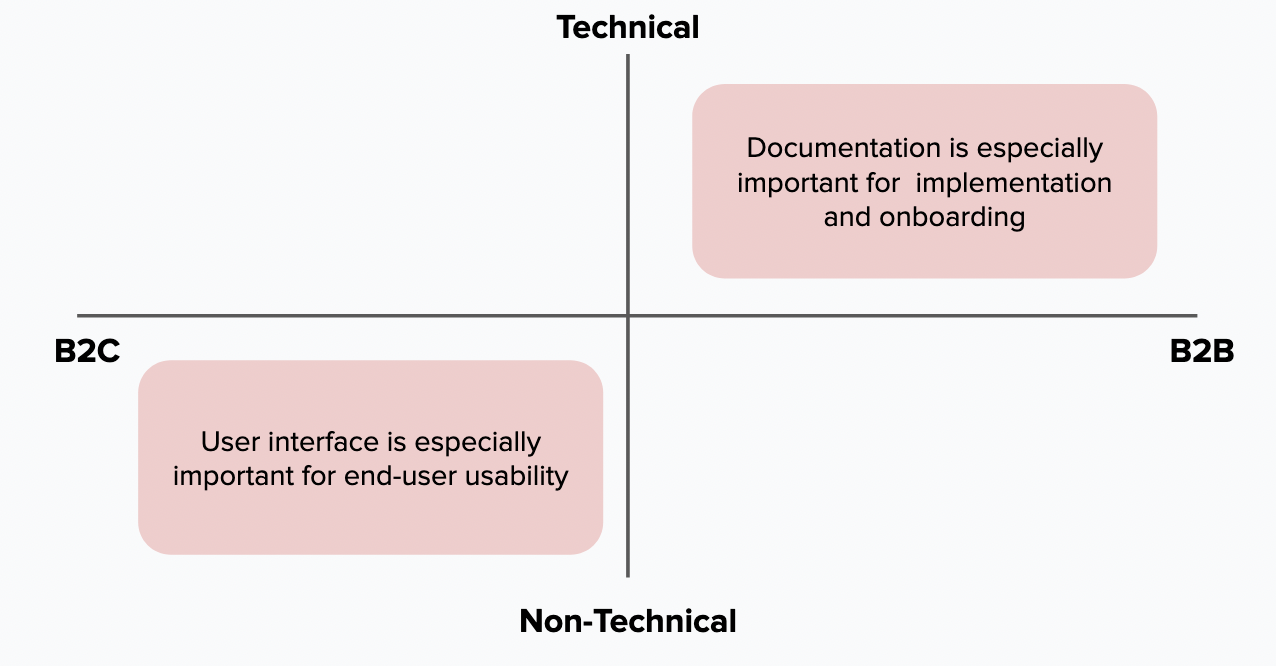
In addition to the initial localization, SaaS products are evolve as new features get added. Ongoing localization is necessary for the end user to maximize the usage the product. Website and product localization, including the documentation and onboarding flows, are the first step. Local marketing and support further increase the local presence. Local support becomes, especially important to add a sense of security that someone that speak Japanese will help with any troubleshooting.
Conclusion
Localization for SaaS products is essential for the end user to successfully use the product and to show the buying committee that the service provider has a local presence. Japan’s uniqueness manifests itself in different ways including a Japan-specific CTA and a high reliance on resellers and partners. Japanese buyers prefer a locally optimized product, which can be done without setting up an entity! If Japan entry or localization is something you’re considering, book a consultation here.
 English
  Japanese