

Gaining the Trust of Japanese Buyers: Building a Local Presence
Introduction
The first step in selling to Japanese buyers is to gain their trust. Japanese buyers have seen foreign companies enter the market and leave rapidly when these companies miss their revenue targets. Certainty is a major factor in Japanese companies’ and the early departure of some companies has increased the hurdle for Japanese companies to feel this certainty. Building this trust is a process, but once it’s built, companies have access to the second-largest enterprise software market.
Building a Local presence
Building a local presence is a major part of gaining the trust of Japanese buyers. There are different ways to work to gain the trust of Japanese buyers, but here are some of the basics:
Localization
Localization is arguably the very first step in gaining the trust of the local market. The website is usually the first place people look when exploring new products. When the homepage itself is not localized, there may potentially be a drop-off before the visitor acts on the CTA. Language is a key aspect of the website localization, but to give the page a local feel, it’s important to understand the differences between global and Japanese pages.
The product itself is also very important to localize. Depending on the product, less localization of the product may be required. In exchange, there needs to be more focus on documentation. Localization can be a big project to take on, but it’s possible to take a strategic approach based on the short and medium term goals of Japan entry.
When it comes to localization, Naoki Togawa, a manager for the Nikkei Business Publications has said in an interview with Japan Cloud:
“There’s no question that companies have to adapt their product to local business processes. Global providers need to get their product right before anything. That’s a given.
As for the other content you mention, I believe they should be localized, the training and marketing content especially. Global companies need to put themselves in the market and see things from the customer’s point of view. They need to understand the issues. Some global issues are relevant to Japan, some are not.”
Localization is important for the adoption and usability of the product, but it is also highly relevant in building a local presence. Besides the usability aspect, localization makes a big impact on the buying process. Usually, the decision-making process, the Ringisho process, includes multiple decision-makers. In many cases, the decision-makers will have little exposure to the product itself and are not end users. For these decision-makers who have little to no exposure to the product, localization is key in gaining their trust. Having a Japanese sales deck for these decision-makers is also imperative.
Local Marketing and Thought Leadership
Marketing in Japanese is also important to gain the trust of local buyers. Online marketing should be a combination of an extension of localization efforts (localizing tutorials, key blog posts, etc.) and marketing-specific initiatives (thought leadership, market education, etc.). The digital marketing activities compound and show the local buyers that you are serious about the Japanese market.
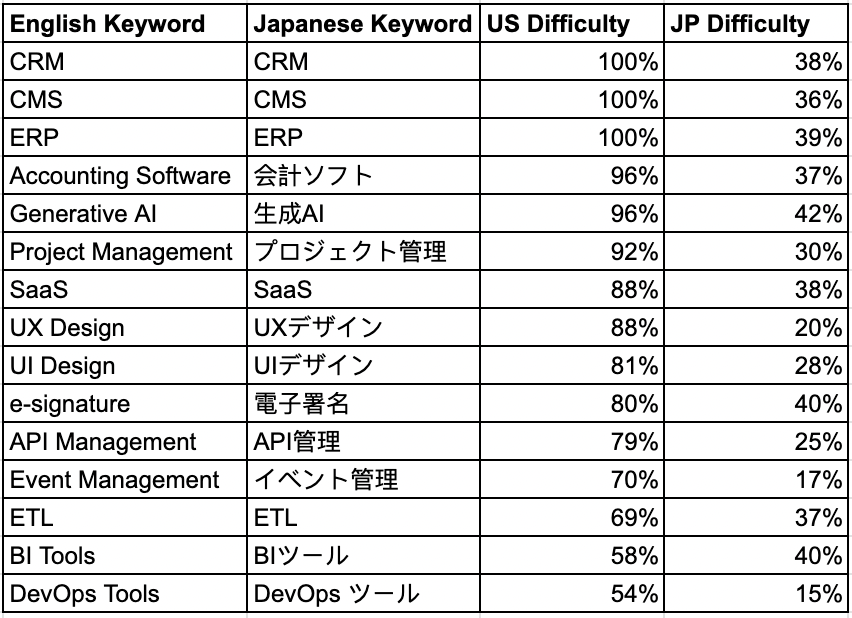
Content and SEO are good places to start, ideally starting with content with a good overlap between trending topics and high-quality information about the product itself. Content marketing is also good as it’s generally easier to rank in Japan than in the United States.
 Press releases are also good as they provide a little more formality and authority than standard content. Other marketing channels include SEM, social media (each social media platform has their unique attributes), and trade shows and events.
Thought leadership through webinars and educational content is also a good way to build a local presence. Many SaaS companies will have regular webinars covering broader topics that double as introductions to the specific category, as educating the buyer is a necessary first step.
Executing all the initiatives is great in gaining the trust of the local market, but in the interview with Japan Cloud, Naoki Togawa said, “everything should be in high-quality, idiomatic Japanese. There’s nothing worse than bad translation. It’s easy to tell which vendors know what they are doing and are really committed to the market just through the quality of their materials and programs.” Having high-quality Japanese is the baseline assumption. If the quality is poor the initiatives may backfire in gaining the local market’s trust. Relying solely on AI and machine translation can lead to localization that is awkward, losing the trust of the local market.
Local Sales, Support, and Customer Success
Marketing in Japanese will get leads interested. The sales and support that come after almost always should be done in Japanese. The buying process in Japan is done collectively, so even if one person is familiar with English, it is likely that other decision-makers are not. The level of Japanese required in the sales process is higher for large enterprises.
Local support is also highly necessary. Having someone who speaks the same language if something malfunctions provides the baseline level of certainty for Japanese buyers. Not having support in the local language could be the sole deal breaker. At times, trust is built by in-person meetings. Remote meetings may suffice, but to take the relationship to the next level, in-person meetings may come in handy.
Having local customer success is also important. The initial integration, implementation, and onboarding are paramount to the successful adoption of the product. Not having Japanese-speaking customer success is mutually harmful and actually has been a point of contention for CIOs.
Social Proof
Social proof is another important factor in building a local presence. Certainty is a big aspect of buying in Japan and social proof is an impactful way of providing this. It doesn’t hurt to have high ratings on review sites like Boxil and ITReview. That being said, case studies from major logos in Japan provide next-level certainty for Japanese buyers. Creating a case study with a strong Japanese brand can truly make an impact on both the market presence and the ability to close more deals.
Nihonium’s Approach
One shortcut to gaining the trust of the local market is to work with resellers, partners, or distributors, but this can be fickle. The reseller has feel confident in selling the product, as it makes money from revenue share. The confidence level drops if the product is not localized and if there is minimal presence in Japan. Also, not all products get approved by distributors and the approval rate in actuality is only around 10%. The other options are either not available to everyone or are quite expensive.
Nihonium has helped companies build a local presence and has helped companies gain the trust of the local market even without a local entity. As a Japan entry partner, Nihonium’s goal is to be a fractional Japan team providing localization, marketing, sales, support, and customer success. For companies that have existing customers in Japan, we start by understanding how they found your product and why they became a customers, as there may be something unique about the fit in Japan. If these customers are strong domestic logos, we try to create some social proof. For companies without any customers, we help build a local presence so Japanese buyers feel more comfortable making the decision. These initiatives also increase the chances of engagements with local resellers and partners. As for thought leadership, if we have the domain expertise, we’ll conduct webinars. If not, we’ll find local thought leaders and moderate a conversation.
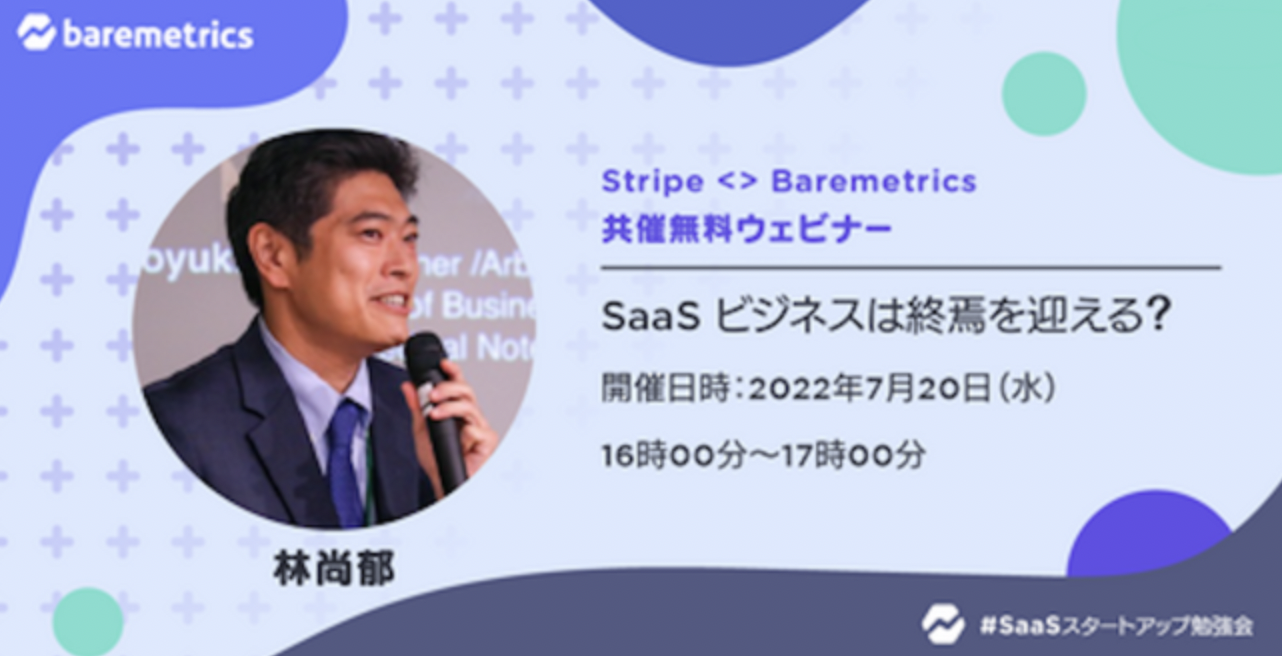
Image: Nihonium’s Sangwook Lim conducting a webinar on SaaS
Conclusion
Gaining the trust of the Japanese buyer is a major factor for market entry. Poor quality backfires and is harmful. There are layers to having a local presence. Starting with the most visible, the website, product, and documentation must be localized. The next layer is awareness and visibility. The more awareness and visibility there is through marketing initiatives, the more companies will feel comfortable with your product. The direct communication layers are also important. Sales, support, and customer success should be done in Japanese. Social proof will add further market validation. If you are considering entering Japan and would like to learn more about Nihonium’s approach, book a consultation here.
 English
  Japanese