

Why Don’t People Switch Jobs in Japan?
Introduction
It is less common for Japanese people to switch jobs and careers compared to other countries. There are a plethora of reasons people in Japan choose to switch jobs less and stick with one job. Cultural aspects and corporate structures are big drivers that result in Japanese workers staying with a single employer. There are both positive and negative implications for the average Japanese worker who sticks with one employer.
Lower Rate of Switching Jobs
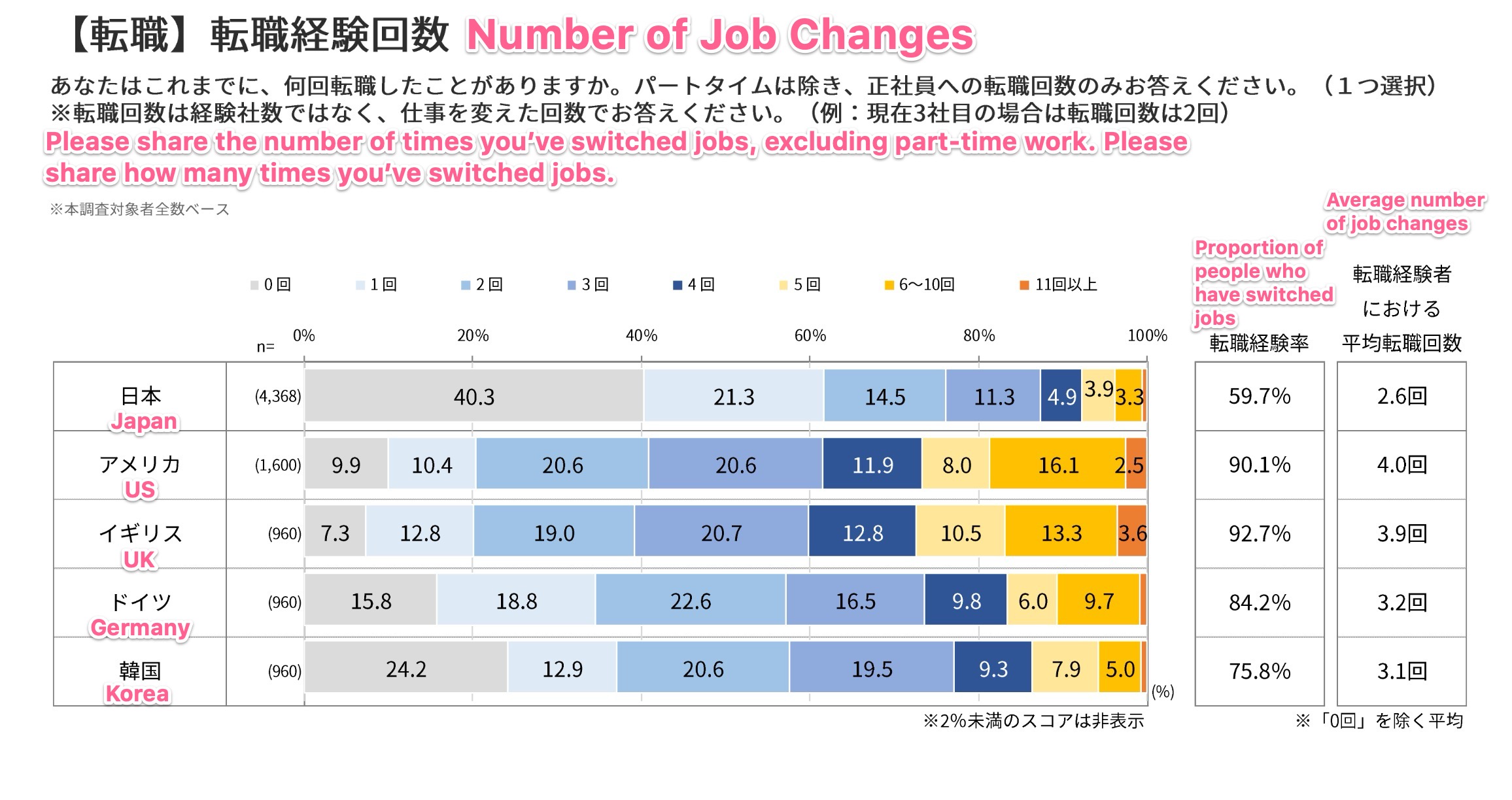
Japanese workers tend to stick with one job compared to other countries. A survey conducted by Indeed showed that 40.3% of Japanese people have never switched jobs:
1. 40.3% of Japanese workers have never switched jobs
2. 9.9% of US workers have never switched jobs
3. 7.3% of UK workers have never switched jobs
4. 15.8% of German workers have never switched jobs
5. 24.2% of Korean workers have never switched jobs
Of the countries surveyed, Japan stands out. For the Japanese workers who have switched jobs, the number of job changes they have gone through is also lower:
1. Japanese workers who have switched jobs have switched an average 2.6 times
2. US workers who have switched jobs have switched an average 4 times
3. UK workers who have switched jobs have switched an average 3.9 times
4. German workers who have switched jobs have switched an average 3.2 times
5. Korean workers who have switched jobs have switched an average 3.1 times
The number of Japanese workers that stick with one employers is much higher and if they do switch, the number of career changes are fewer.
Cultural Hesitations
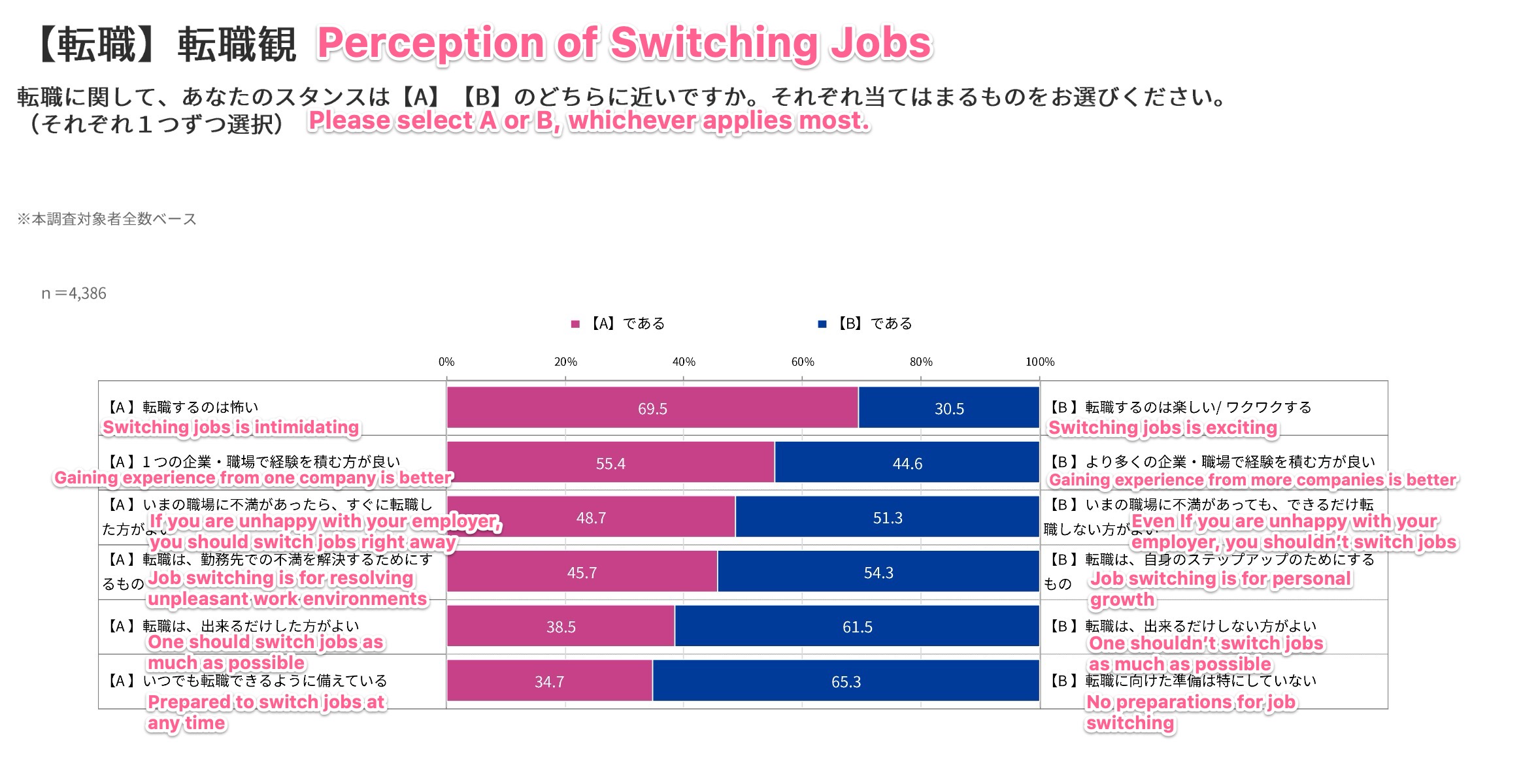
Japanese workers tend to stick with one job because largely due to the sense of security. Over the past few decades, working at a large established corporation was a key goal and achievement for many Japanese workers. These corporations also promised lifetime employment, further playing into the risk averse nature of Japanese workers. In general, Japanese workers have a fear of switching jobs. When asked whether switching jobs is intimidating or exciting, 69.5% responded that it’s intimidating.
In addition to the fear of switching, the majority of Japanese people don’t have the most positive impression of switching jobs. When asked whether one should switch jobs as often as possible or not, 61.5% responded that it’s best not to switch jobs as much as possible. The majority of workers in Japan are not prepared for any potential job changes, as 65.3% do not regularly prepare for a potential job switch.
 Japanese people tend to feel a strong sense of responsibility and may feel that switching jobs is equivalent to walking away from this responsibility. They tend to think about the impact their leaving would make, including additional work on their peers. Though it’s hard to quantify, there does seem to be a cultural aspect to Japanese workers not switching jobs.
Higher Tolerance + Pushing the Envelope
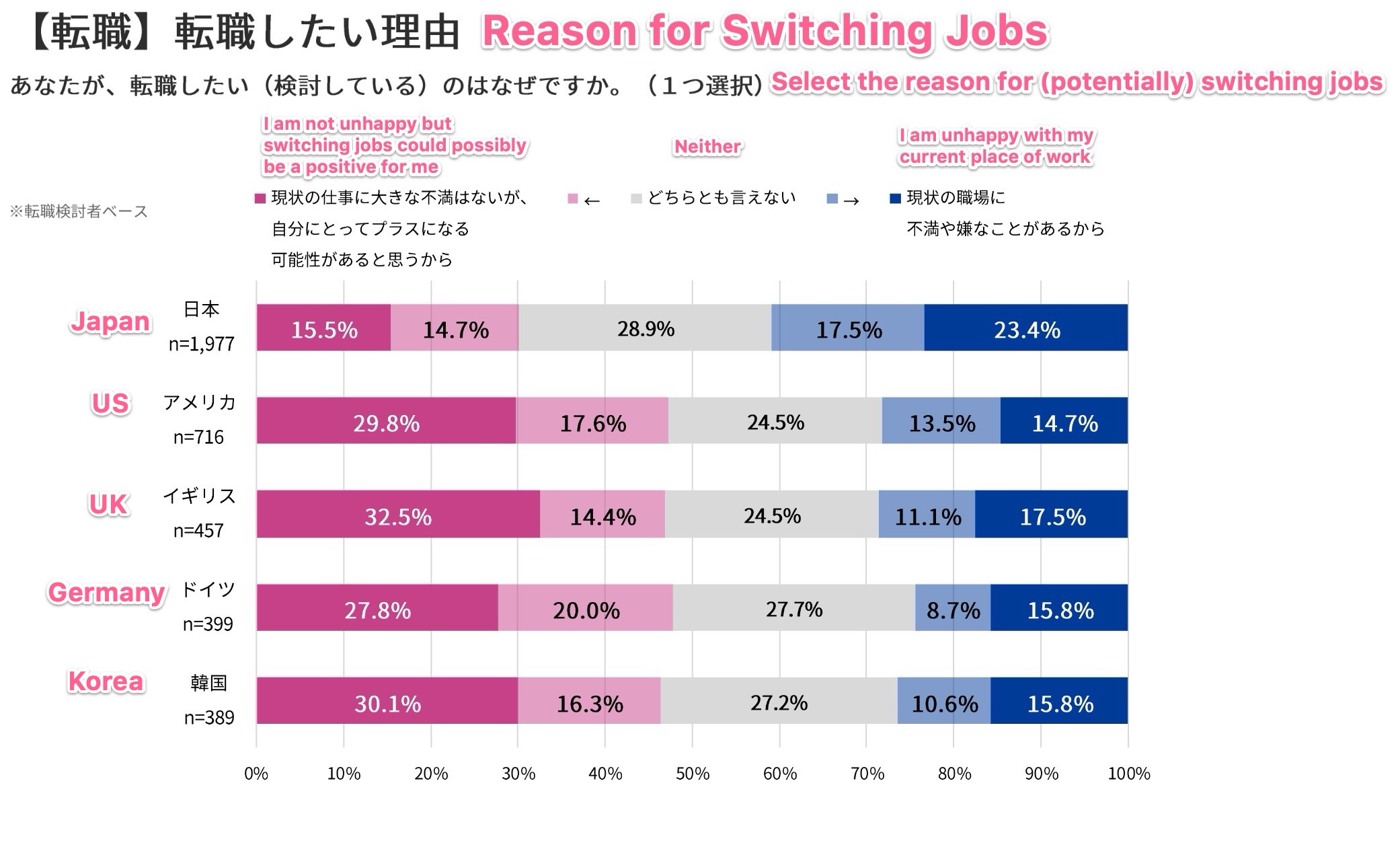
One reason that Japanese people tend to switch jobs less is that they tend to tough out poor working environments. About 25.8% of Japanese workers are unhappy with their current employer. In other countries, this number is between 8% and 12%. Japanese workers tend to tolerate these working environments rather than switching jobs.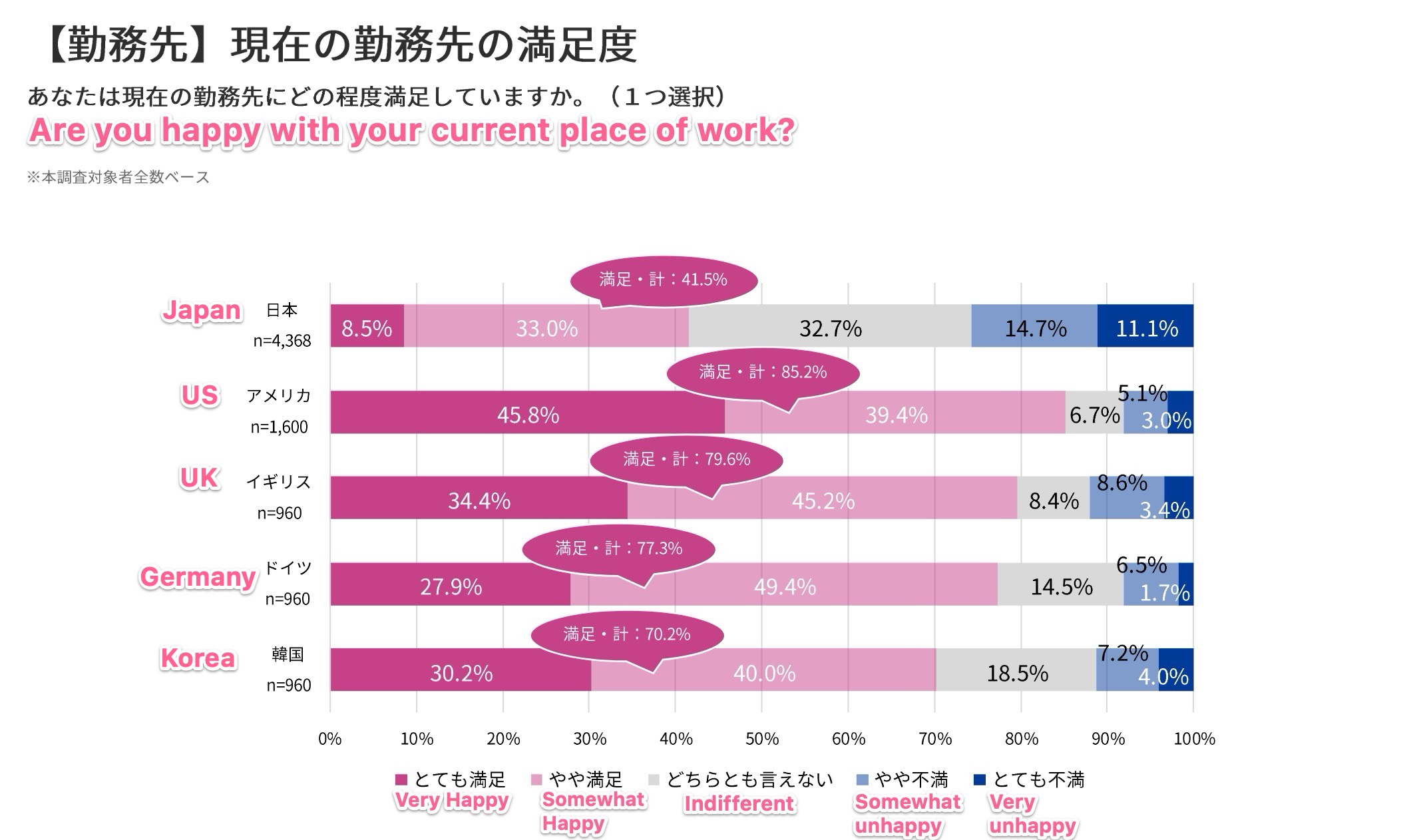 Switching jobs in Japan is primarily used to escape a negative situation rather than being opportunistic. In Japan, about 31.2% of the people who switched jobs had opportunistic reasons. 40.9% of the respondents switched jobs since they were unhappy with their working situation. The opportunistic reasoning for leaving in Japan is far below global counterparts. On the other hand, the reason to leave is to leave poor working situations far exceed global counterparts. Workers in the surveyed countries besides Japan see switching jobs as a positive, including the opportunity to upskill. Japanese workers have a negative impression on switching jobs and will tolerate the situation as long as possible.
¥
Implications
The lack of job switching can be a potential threat to innovation in Japan. Without workers switching jobs, they are not exposed to new and different ideas. Japanese workers will also tend to stay with one job, so the idea of starting a company or becoming an entrepreneur is completely removed. This lack of entrepreneurs is a potential roadblock to Japan’s innovation.
From a technical perspective, technical talent may stay in organizations that do not innovate. One big challenge is that there is a strong reliance on system integrators. Many companies are trying to graduate from this reliance, but the lack of technical talent prevents them from building internal teams. The lack of talent ultimately stems from two places, the first is purely the lack of Japanese workers (and this is expected to get worse). The second is the lack of people being opportunistic about switching jobs.
Japan already has a shortage of talent, especially technical talent. Combining the low supply of Japanese IT talent and their hesitation to switch jobs, IT talent will likely continue to be in high demand. Given that Japanese workers, are hesitant about switching jobs, they’re much less likely to take an even bigger leap of becoming an entrepreneur.
Conclusion
Switching jobs can lead to innovation, but there is a general lack of motivation for Japanese workers to make the switch. They’d rather tolerate the situation as best as possible. For Japanese workers to be more agile with switching jobs, the cultural stigma needs to be alleviated. If you are interested in learning more about the Japanese market, book a free consultation here.
 English
  Japanese